
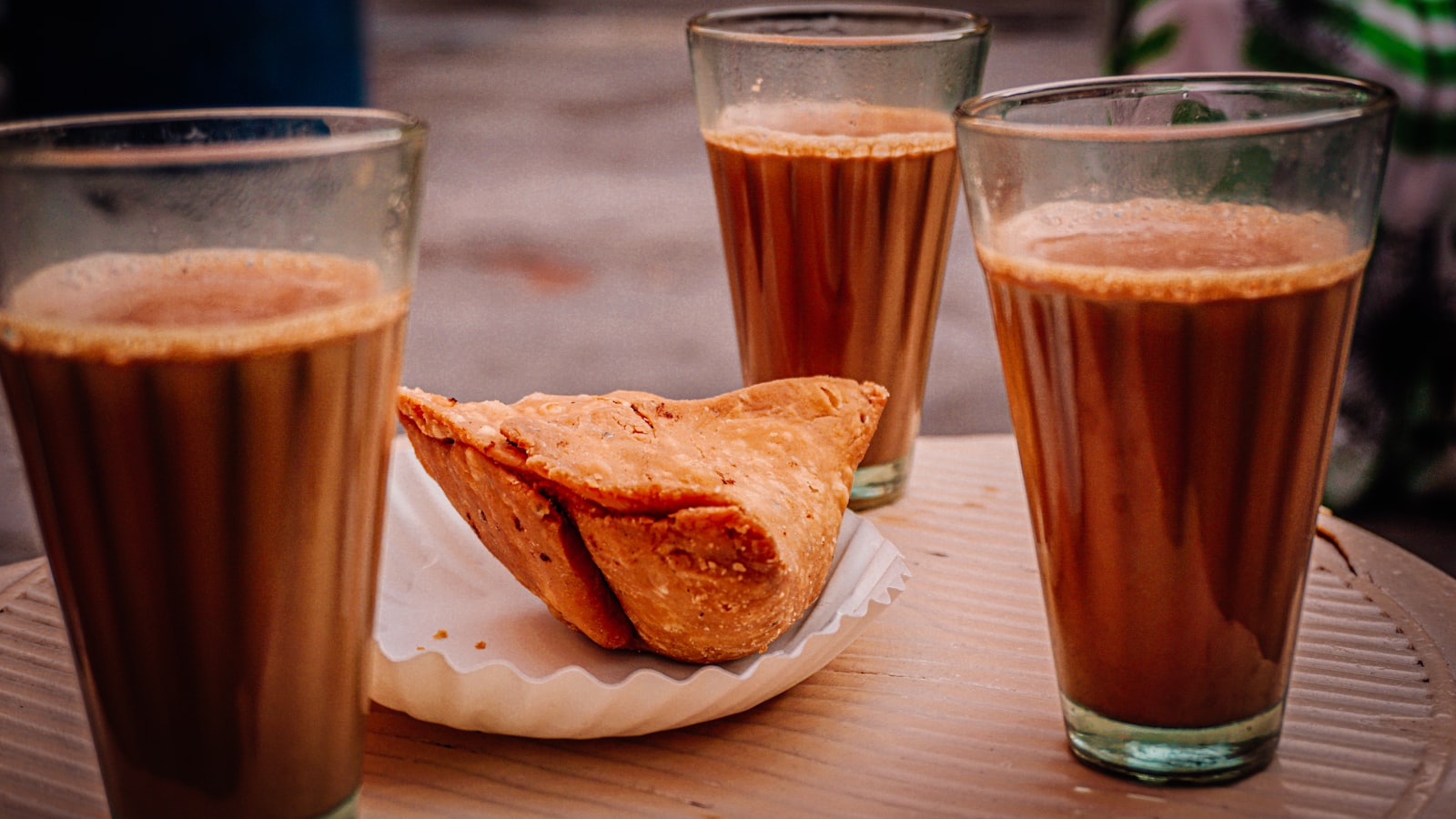
Two bookings arrive at a property on the same November evening. The first comes through a booking app: a stranger, won after the platform’s commission, a discount coupon and twenty minutes of questions about the geyser. The second arrives as a WhatsApp message: “Aunty, same two rooms for Christmas? The kids have already started asking.” No commission, no questions, no persuasion, the year’s hardest dates sold in one line.
Every owner knows which booking felt better. Almost no owner runs the business as if the difference mattered. The trade spends its money, attention and anxiety on strangers, the rankings, the listings, the discounts, while the most profitable booking in hospitality walks in quietly, unmeasured and largely unthanked: the repeat guest. Two days after Diwali, with a phone full of this season’s first-timers, is exactly the right moment to take that booking seriously.
What this post covers
The repeat guest: the short answer
The short version: a repeat guest is the highest-margin booking a property can take, because everything expensive about a booking has already been paid. Acquisition cost: zero, they already know you. Commission: zero, they message you directly. Persuasion cost: zero, your photos and reviews have been replaced by their own memory. Risk: near zero, on both sides of the transaction. The rate stays whole, the date fills early and the stay itself runs smoother than any stranger’s.
Set that against how most properties actually behave, pouring effort into being found by people who have never heard of them while doing nothing deliberate for people who already loved them. That contrast is this post’s argument in one line: the cheapest growth available to a small property is the guest it already served.
What a booking actually costs you
Owners rarely price their bookings, so price one honestly.
The stranger’s booking through a platform carries the commission we mapped in the OTA economics post, commonly a fifth of the tariff. Win the same stranger directly instead and the costs move rather than vanish: the discount that persuaded them, the Instagram boosts, the hours of enquiry chat that went nowhere, spread across the bookings that closed. However you acquire a stranger, somebody gets paid for the introduction.
Now price the repeat booking. The introduction happened years ago and was paid for once. This year’s booking cost one WhatsApp message, sent in September, answered in an hour. On a Rs 5,000 festive night, the difference between the platform stranger and the returning family is roughly a thousand rupees a night, every night, before counting the discount the stranger needed and the regular did not ask for.
Marketing folklore says winning a new customer costs five times more than keeping one. In this trade the gap is wider and visible, because the acquisition costs are itemised on your commission statement while retention costs a message and a memory. The occupancy post argued that what a night earns matters more than how many nights fill; the repeat guest is how the best nights come to earn the most.
Why the second stay is worth more than the first
The acquisition saving is only the entry fee. The deeper value of the repeat guest shows up in how the stay itself behaves.
They book the hard dates sight unseen. The festive post’s regulars-first offer works because returning families commit to Dasara and Christmas in September, before the market wakes, no photos requested, no comparison shopping. A property with enough regulars sells its scarcest inventory first and calmest.
They accept the printed rate. A guest who has stayed knows what the place is worth, so the festive tier reads as fair rather than negotiable. The exhausting haggle that fills the stranger’s chat simply does not occur. Where the stranger asks “kuch kam karo”, the regular asks “same room as last time?”
They cost less to host. They know the house: where the switchboard is, that dinner closes at nine, that the upper rooms hear the rain. The twenty questions, the complaint born of wrong expectations, the promise mismatch we dissected in the homestay vs hotel post, none of it applies. Staff serve them with half the effort and twice the warmth.
They forgive. When the geyser fails on a stranger’s night, it becomes a review. When it fails on a regular’s night, it becomes a story you both tell next year. A property’s inevitable bad days land soft on people who have banked good ones, which is a form of insurance no policy sells.
And they write the best evidence. Their reviews carry detail and history, “our fourth Diwali here”, the exact substance that persuades strangers and, as the AI post showed, feeds the recommendation engines. Then they forward you into the family group, the multiplication engine of the last post. The repeat guest is not just a booking; it is a broadcasting station for your best proof.
What a regulars base does to the whole year
Beyond the per-booking margin, a return base changes the character of the business itself: it makes the lumpy leisure year partly predictable.
The occupancy post showed an honest leisure year swinging from 20% monsoons to 90% festive fortnights, with the season carrying the whole calendar. A property with thirty returning families enters that year differently: a meaningful slice of the harvest is spoken for by September, the way a farmer feels entering harvest with half the crop pre-sold. Rate decisions get braver, the festive tiers hold because the base underwrites them. The monsoon nerves ease, because December is already visibly forming in the bookings diary. Even the salary clock ticks softer when the team can see the season assembling months out.
Strangers give a property revenue. Regulars give it a floor. Businesses with floors sleep better, plan longer and panic-discount never, which the whole series keeps showing is where the margin actually lives.
Five years, two properties
The compounding is easiest to see side by side, so run the favourite device of this series once more: two similar ten-room properties on the same hillside, opening in the same season.
Property A plays the visibility game with discipline. Listings polished, rankings watched, deals run in every lull. It fills respectably every year. It also pays for that fill every year: the commissions, the deal discounts, the boosted posts, the acquisition bill arriving fresh each season because last year’s guests were never asked to return. Its marketing runs on a treadmill: stop paying, stop filling.
Property B does everything A does in year one, then adds the quiet habit this post describes: the thank-you in the first week, the list kept properly, the September first-right offer, the name remembered at the gate. Year one looks identical to A. Year three, a quarter of B’s festive calendar books itself before the apps see a single date. Year five, B’s season is half sold to families who would not dream of staying elsewhere, at full rate, commission-free, while its app spending has fallen to a top-up rather than a lifeline.
Same hillside, same rooms, same rates. The difference is that A rented its demand every year while B was buying its demand outright, one returning family at a time. Rented demand vanishes the day you stop paying. Owned demand shows up next Dasara with the kids asking for the corner room.
Why owners chase strangers anyway
If the arithmetic is this lopsided, why does the whole trade lean the other way? Three honest reasons.
New bookings feel like growth. A stranger choosing you is external validation, the market saying yes; a regular returning feels like standing still, though it is the strongest signal a property receives. Owners are as human as guests.
The dashboards count the wrong thing. Platforms report new bookings, impressions, ranking, everything about strangers. They report nothing about returns, because returns cut the platform out. There is no column anywhere showing “families who came back”, so the number that matters most is the number nobody sees. The channel that carries regulars, WhatsApp, produces no reports at all.
And retention has no salesman. Every week someone calls selling visibility, ads, rankings, growth. Nobody calls selling “message the family who stayed last Dasara”, because there is no commission in it, which is precisely the tell that the value stays with you.
What regulars do for the people who serve them
One benefit hides on the staff side of the desk, worth naming because the staffing post argued the team IS the product.
Regulars are simply better shifts. The cook hears that the family asked for her pandi curry before they even arrived. The housekeeper is greeted by name by children who remember him. Service becomes relationship, which is the version of this work people actually enjoy, the reason the good caretaker couple stays another year. A property full of regulars is a calmer, warmer workplace than one processing strangers, which loops straight back into retention of the other kind: teams that stay keep standards that keep guests that keep teams.
The regulars also police consistency better than any checklist. They notice when the breakfast thins, when the garden slips, when the familiar housekeeper is suddenly gone. They say so kindly, to your face, this year, rather than in a review next year. A base of returning families is a free, honest, annual audit of whether the property is still the property they fell for.
The December window
Now the timing that makes this post a November post.
The families who stayed this Diwali are, right now, at their warmest. The trip is fresh, the photos are still being shared, the children are still talking about the dog. This warmth has a half-life measured in weeks. The property that reaches them inside the window, a thank-you on WhatsApp, the stay’s best photo attached, a line that says “the room you liked is yours first, always”, converts a first-timer into a regular at the exact moment conversion is cheapest. The property that waits until next October will be re-introducing itself to people who have half forgotten.
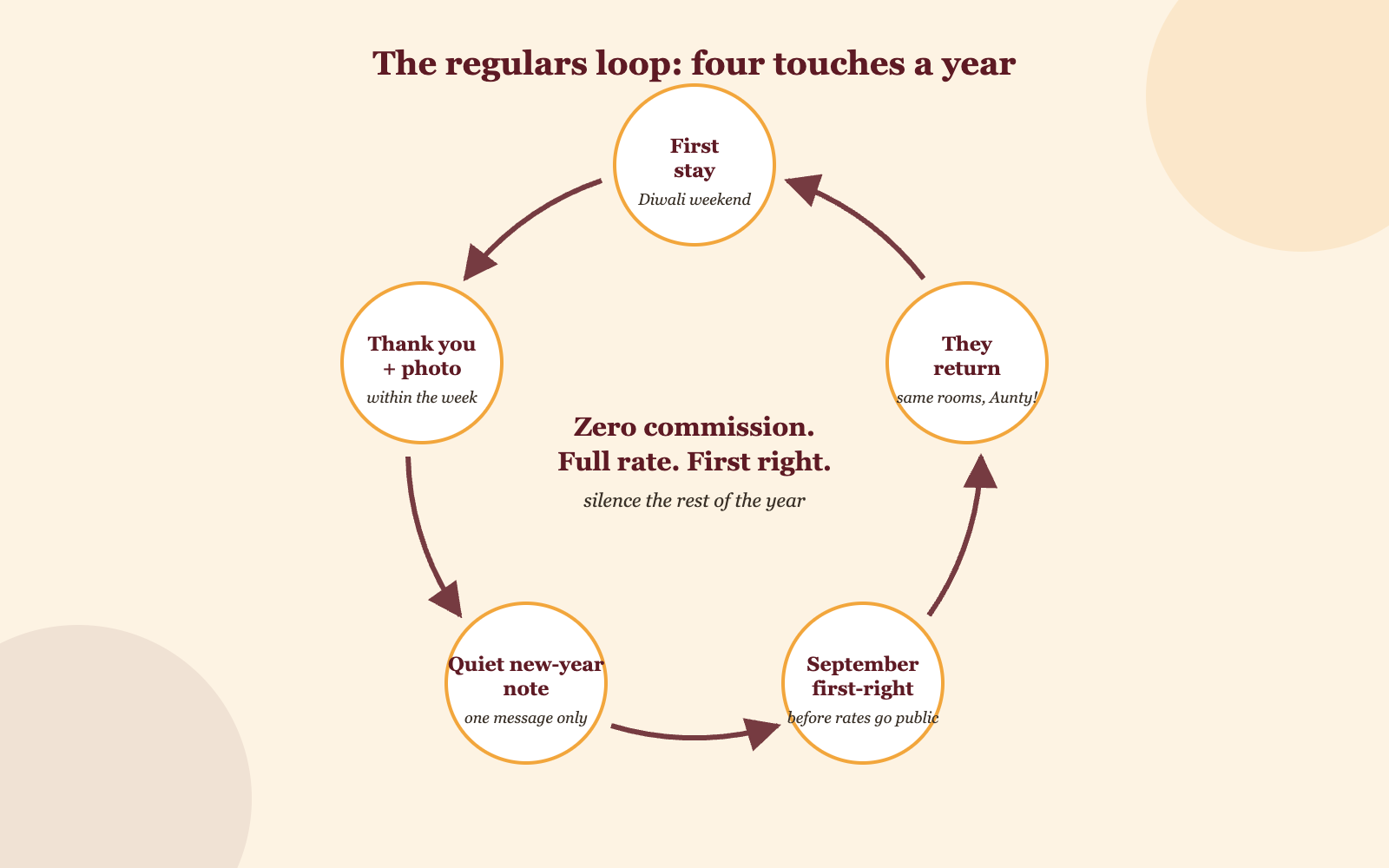
The window then feeds the annual loop the series has already built. The thank-you now; the quiet note in the new year; the regulars-first offer next September before rates go public; the returning stay next Dasara. Four touches a year, each one earning its place, the restraint rule from the WhatsApp post holding throughout: silence most of the year is what makes the four messages feel personal.
One refinement keeps the window honest: not every first-timer is regular material. The family that matched your promise, lingered over dinner, asked about coming back for Holi, is; the guest who wanted a hotel and made it known, as the homestay vs hotel post would predict, is not. Send the warm thank-you to everyone. Spend the remembering, the five lines in the list, the first-right offer, on the ones whose stay already read like the start of a habit.
Christmas adds a second, faster window. Some of this Diwali’s guests are already planning the year-end trip. The thank-you message that lands this week does not just plant next year’s seed; it quietly enters your property into a decision being made this fortnight, commission-free, ahead of every app.
What actually brings guests back
Here is the part the discount-minded get wrong: price is nearly irrelevant to return behaviour. Guests do not return because the room was cheap. They return because returning feels like coming back to something.
Being remembered is the core product. The owner who greets a family by name, asks about the daughter’s exams, puts them in “their” room without being asked, has done something no chain loyalty programme replicates. Recognition is the small property’s superpower; it costs memory, not money. The guest list from the WhatsApp post is where that memory lives when the owner’s own overflows.
What the best hosts actually remember is worth spelling out, because “recognition” sounds vague until you see its parts. The name, first. The room they prefer and why, the corner one for the view, the ground floor for the grandmother’s knees. The food moment, the dish they praised, the allergy mentioned once. The occasion, if the first stay was an anniversary or a child’s first holiday. The small particulars, the dog’s name, the son’s cricket. None of this is surveillance; it is the ordinary attentiveness of a good host, written down before it fades. Five lines per family, kept in the guest list, turn next year’s greeting from hospitality into homecoming.
Consistency is the second driver. The regular returns expecting last year’s experience: the same warmth, the same food, the same standard, the promise kept identical, which is the homestay vs hotel post’s lesson applied across years instead of across guests. Properties that slide after a good season lose regulars silently; nobody complains, they simply do not come back.
Small unbought courtesies do the rest. The corner room upgrade when it is free anyway, the extra half-hour at checkout, the festival sweets, the cook’s special dish because the regular once praised it. Note what all of these cost when inventory is free: almost nothing. Note what they buy: the story the family tells in the car home.
Discounts sit last on this list deliberately. A quiet loyalty rate for regulars, as the festive post suggested, is a warm gesture. But a property that can only bring guests back by being cheaper has not built loyalty; it has built a customer base for whoever undercuts it next. Recognition beats rupees, every season.
The regulars ledger
Put numbers on the asset, because owners count everything except this.
Take the ten-room leisure property from our earlier posts. Suppose five festive seasons build a base of thirty families who return in some rotation, ten or twelve in any given year, each booking two or three of the year’s premium nights. That is the festive calendar one-third filled before a single app booking, at full published rate, zero commission, with guests the staff already love. The occupancy post’s hardest problem, selling the scarcest nights well, quietly solves itself a little more each year the base grows.
So count the one number nobody counts. Once a year, after the festive season, go through the bookings and ask: how many of this year’s guests had stayed before? That share, your return rate, is the single best health reading a leisure property has, better than occupancy, better than the rating. It measures the only thing that compounds: whether stays are turning into relationships. Rising means next year is already partly sold. Falling means the product is slipping in ways this year’s reviews may not yet show, the same early-warning logic as the occupancy post’s vanishing-regulars alarm, now with a number attached.
The count also teaches you your own pattern. Some properties discover annual families, back every Dasara like clockwork. Others find quarterly weekenders from the nearest metro, the weekend radius crowd, returning every long weekend. The two behave differently, book differently and deserve different Septembers: the annual family gets the festive first-right, the weekender gets the quiet “long weekend coming up” note. Knowing which base you are building sharpens every message you send it.
The honest limits
Retention thinking has boundaries and pretending otherwise would break this blog’s habit of honesty.
Some locations are one-visit places. The town with a single famous monument gets guests who came, saw and will genuinely never need to return; their loyalty cannot take the form of a second stay. For such properties the repeat guest’s role is played by the referral and the review: the guest who never returns but sends three families, the detailed five-star that wins strangers. The December window message works there too; it just harvests recommendations instead of rebookings.
Business hotels run a different version. Their repeat guest is the company, not the person: the corporate account, the travel desk, the project team that returns monthly. The recognition principle holds, remember the tea order of the auditor who comes every quarter, but the machinery is contracts rather than WhatsApp warmth.
And a growing property must keep some balance. A base of regulars can quietly become a ceiling if their expectations freeze the property in place, or if festive weekends fill with the same faces at last year’s held rates while the market would pay this year’s. The festive post’s answer stands: regulars get first right and a quiet preference, not immunity from the calendar. Loyalty flows both ways or it curdles.
One more boundary: concentration. A property whose calendar leans on a handful of families carries a quiet risk, the year three of them skip is a hole no app can fill at short notice. The regulars base wants breadth, thirty families lightly rather than eight heavily, which argues for converting a few first-timers every season rather than resting on the founding faithful.
Where software fits honestly
The clerical half of retention automates cleanly; the human half must never be.
Remembering is the machine’s job. Which family stayed which dates, which room, what they ate, when they last visited: booking software holds this the way no owner’s memory can at scale, ours included. It surfaces the history when the September offer goes out or the family messages again. The thank-you after checkout and the review request already run automatically in a well-set-up property; the December window message runs on the same automation, pointed at a warmer purpose.
The warmth itself stays human. A regular can tell a template from a person in one line. The entire value of recognition is that a person did it. The software’s job is to make sure the owner never forgets a family; the owner’s job is to make sure the family never feels like a database row. Properties that get this division right run retention in minutes a week. Properties that automate the warmth lose the thing they were trying to keep.
The oldest marketing in the trade
None of this is new thinking; it is the trade’s original operating system, briefly forgotten.
For generations, Indian families had “their” places: the hill hotel booked by a grandfather where three generations later the front desk still knows the surname, the temple-town lodge that holds the same rooms for the same family every year without being asked. Those businesses ran on ledgers of names, not on visibility. The booking apps are a fifteen-year-old anomaly in a centuries-old trade built almost entirely on people coming back.
Seen that way, the modern property is not learning a new trick with its guest lists and September messages. It is recovering an old one, with better tools: the ledger is now searchable, the letter is now a WhatsApp message, the memory now survives the phone. The properties that feel most modern in five years will be running the oldest model in hospitality, refreshed. What the apps industrialised was introductions. What they could never industrialise is return, which is why return is where the small property still wins.
The one-line summary
If this post must fit in one line: the repeat guest is the most profitable booking in hospitality because every cost that eats a stranger’s booking, commission, discounts, persuasion, friction, has already been paid, so the property that turns this season’s first-timers into next season’s regulars is buying its future bookings at the cheapest price they will ever have.
The festive guests have just gone home. Their memory of your property is the warmest it will ever be. Send the thank-you this week, keep the list like the asset it is and next September the hardest dates of the year will begin selling themselves, one “same rooms, Aunty?” at a time.
Straight questions, straight answers
Why are repeat guests more profitable for hotels and homestays?
Because a booking’s biggest costs disappear the second time. A repeat guest pays no platform commission, needs no discount or persuasion, books directly on WhatsApp or the property’s website and accepts published rates. The stay itself runs cheaper too: fewer questions, fewer mismatched expectations, more forgiveness when something fails. On a typical festive-rate night, the gap between a commissioned stranger and a returning direct guest is commonly 15 to 25% of the tariff.
What is a good repeat guest rate for a small property?
There is no published benchmark worth trusting; the honest method is to track your own. Once a year, count what share of guests had stayed before. For leisure properties with home food and a present host, that share should visibly grow year on year; a rising rate means next season is partly pre-sold while a falling one is early warning that the experience is slipping. One-visit destinations should track referrals and reviews from past guests instead.
How do properties turn first-time guests into repeat guests?
The pattern across well-run properties: a warm thank-you message with a photo soon after checkout, while the trip is fresh; genuine recognition on return, name, preferred room, remembered details; consistent quality year to year; small free courtesies like an upgrade or late checkout when inventory allows; and a first-right offer on festive dates before rates go public. Discounts play a minor role. Recognition and consistency do the real work.
Do discounts bring guests back?
Rarely on their own. Over-used, they attract exactly the guests who leave for the next discount. A quiet loyalty gesture, holding a regular at last year’s rate or a modest preference off the festive tier, works as recognition expressed in money. A property whose only retention tool is price has built a customer base for its cheapest competitor.
Should small hotels run loyalty programmes?
Formal points programmes are an organisation’s tool for manufacturing the recognition a small property gives naturally. Under roughly twenty rooms, a remembered name, a preferred room and a first-right festive offer outperform any points card at zero administrative cost. What small properties should copy from the programmes is only the discipline: a kept guest list, a defined follow-up rhythm and someone responsible for it.
When should a property follow up after a guest checks out?
Twice, at natural moments. Within a day or two of checkout: the thank-you, the best photo of their stay and the review request, sent while warmth is highest. Then seasonally rather than monthly, a first-right offer before festive rates go public and perhaps one quiet off-season note. Beyond that, silence is the strategy; the rarity of the messages is what keeps them welcome for years.
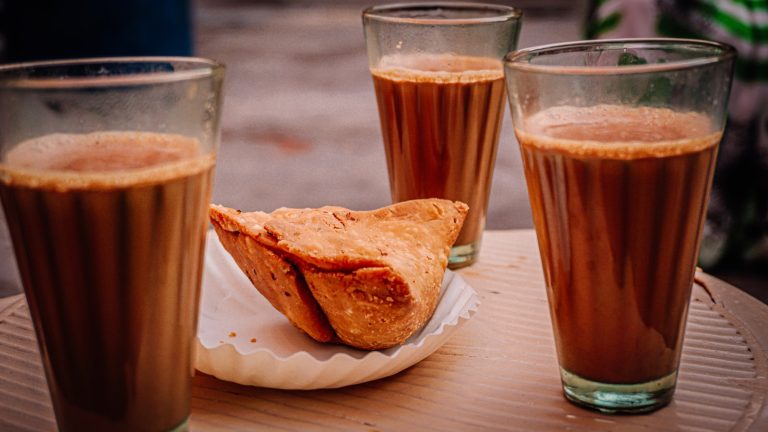
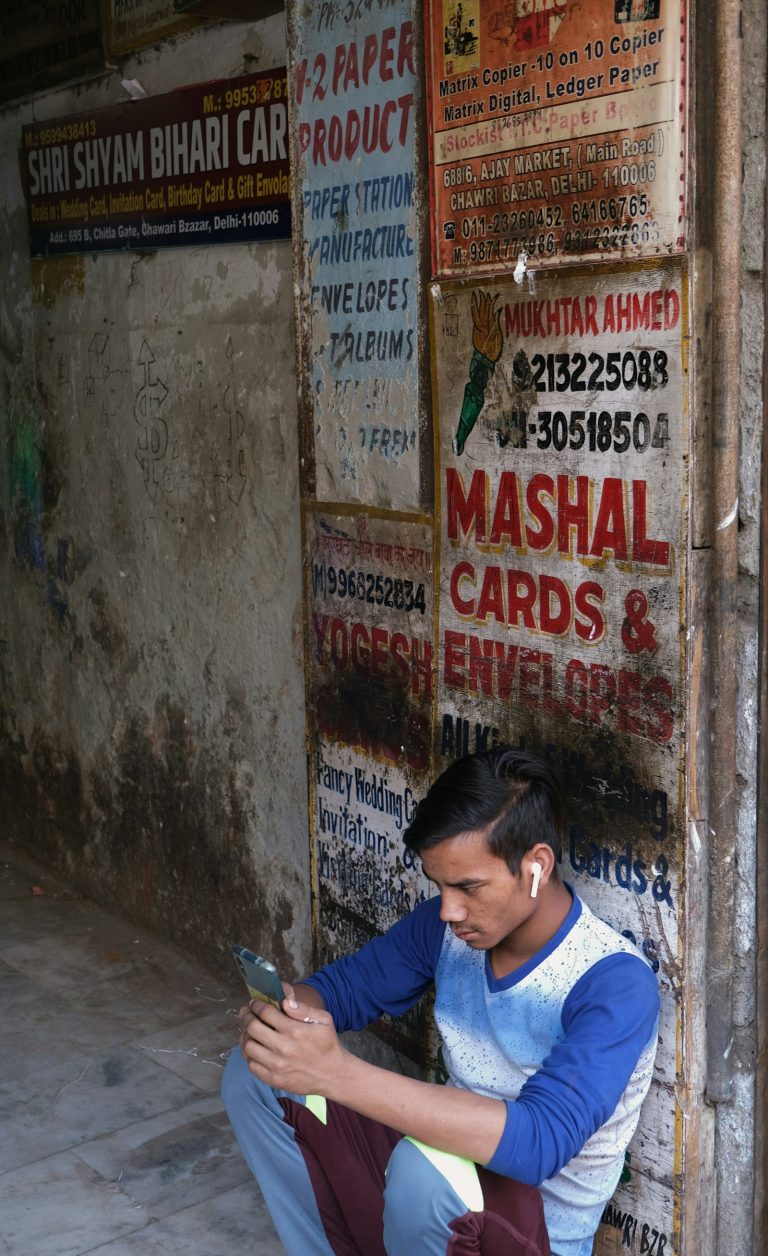
Image credits: The chai photo is by Harsh Gupta on Unsplash and the doorway photo is by Charu Chaturvedi on Unsplash, both free to use under the Unsplash License. The regulars-loop illustration is original OpenStays artwork.
OpenStays provides booking software for homestays, hotels and resorts, but this blog is not about software. It is about running a property well, written for owners, with owners.
What share of your guests come back and which family has returned the longest? Tell us in the comments below. The best stories will find their way into future posts, with your permission and full credit.
Leave a Reply