
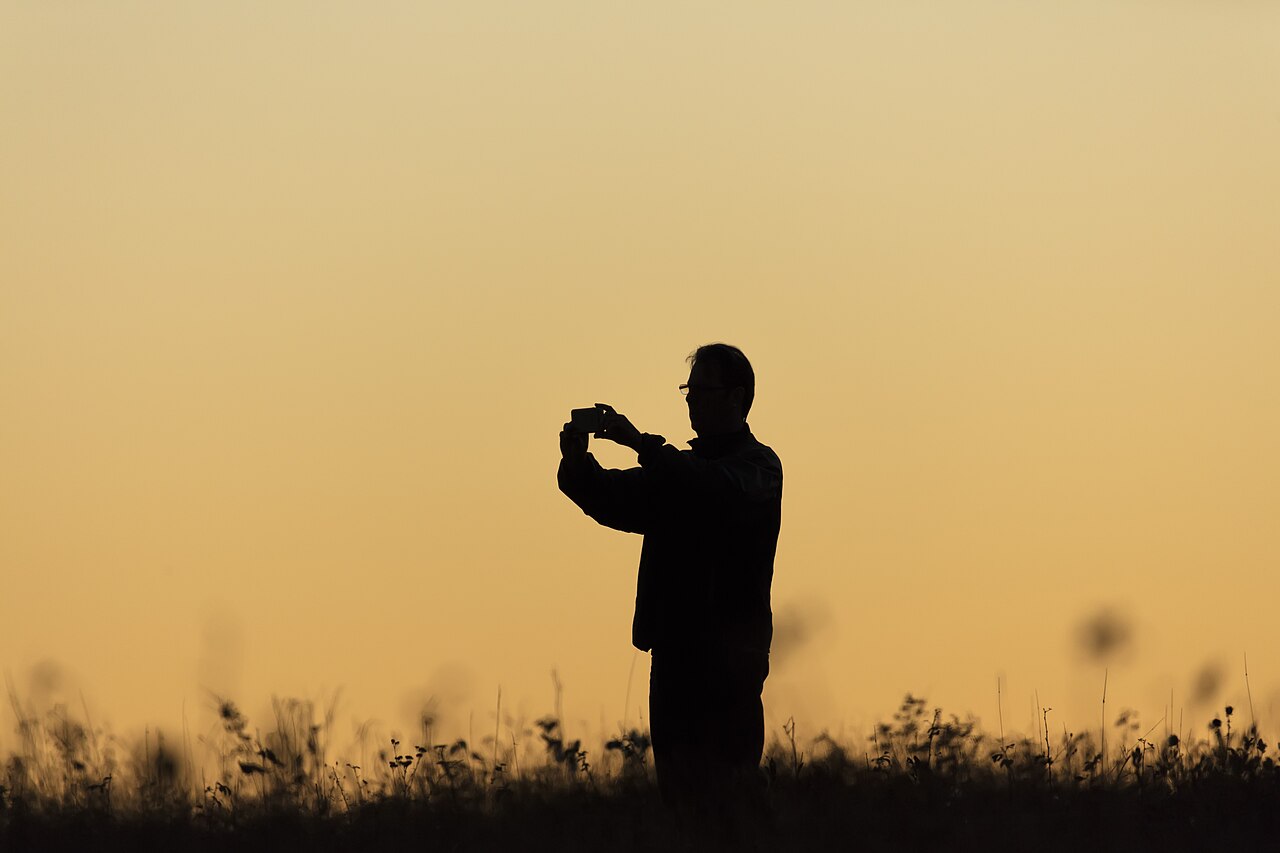
Somewhere right now, a property owner is standing in the morning light, phone raised, filming the mist rolling over the valley for a reel. It is the fourth reel this week. The account has been active for a year. The follower count has crossed two thousand. And if you asked this owner the one question that matters, how many bookings has all this actually brought, the answer would come after a pause: “Hard to say. Some, maybe.”
That pause is what this post is about. Every owner has been told that Instagram is compulsory now, that properties live and die by their reels, that the algorithm rewards those who post daily. Agencies say it. Consultants say it. Other owners say it, usually while filming something. So let us ask the question nobody answers plainly: does Instagram bring bookings for hotels? The honest answer is sometimes, slowly, and almost never in the way owners expect. And whether it works for your property at all depends on something nobody discusses: how far you are from the people watching.
This post is that missing discussion. Not a how-to guide, and not a lecture against Instagram either. Just an honest account of what the platform actually does for a property, what it quietly cannot do, and how much of your week it truly deserves.
What this post covers
So, does Instagram bring bookings for hotels?
Directly and immediately? Rarely. A guest does not usually watch a reel at 11 pm and confirm a room by midnight. What Instagram does bring is slower and harder to measure: familiarity, desire, and proof that your property is real. Those things do eventually turn into bookings, but the distance between “saw your reel” and “paid for a room” is long, winding, and mostly invisible to you.
The trouble starts when owners expect Instagram to behave like a booking channel. It is not one. It is a stage where your property performs for strangers, most of whom are lying in bed in a city far away, enjoying the view you posted with no plan to ever sleep in it. Some of them will remember you months later. Most will not. That is not failure. That is simply what the platform is.
Understanding this properly requires understanding one old marketing idea, because Instagram sits entirely on the wrong side of it for most properties.
Push and pull: the difference that explains everything
All marketing splits into two kinds. Pull marketing answers a demand that already exists: a guest types “resorts near the lake” into Google because the trip is already decided, the dates are already discussed, and someone is now shortlisting. Your job in pull marketing is only to be found and to look trustworthy. The guest brings the intent.
Push marketing is the opposite. It interrupts someone who was not planning anything. The reel of your infinity pool appears between a cricket clip and a cooking video, shown to a person who was not thinking about travel at all. For a push to become a booking, the viewer must first be converted into a planner, then into a decider, then into a payer. That is three conversions, and you are asking a fifteen-second video to do all three.
We have written before about where bookings actually begin: on Google, where reviews and ratings do the deciding before you even know you were being considered. That is pull. Instagram is push. Both have their place, but they are not interchangeable, and treating a push channel as a booking machine is how owners end up posting daily and wondering where the guests are.
There is one situation where push marketing converts beautifully, though. And it depends on geography.
The weekend radius: distance decides what Instagram can do
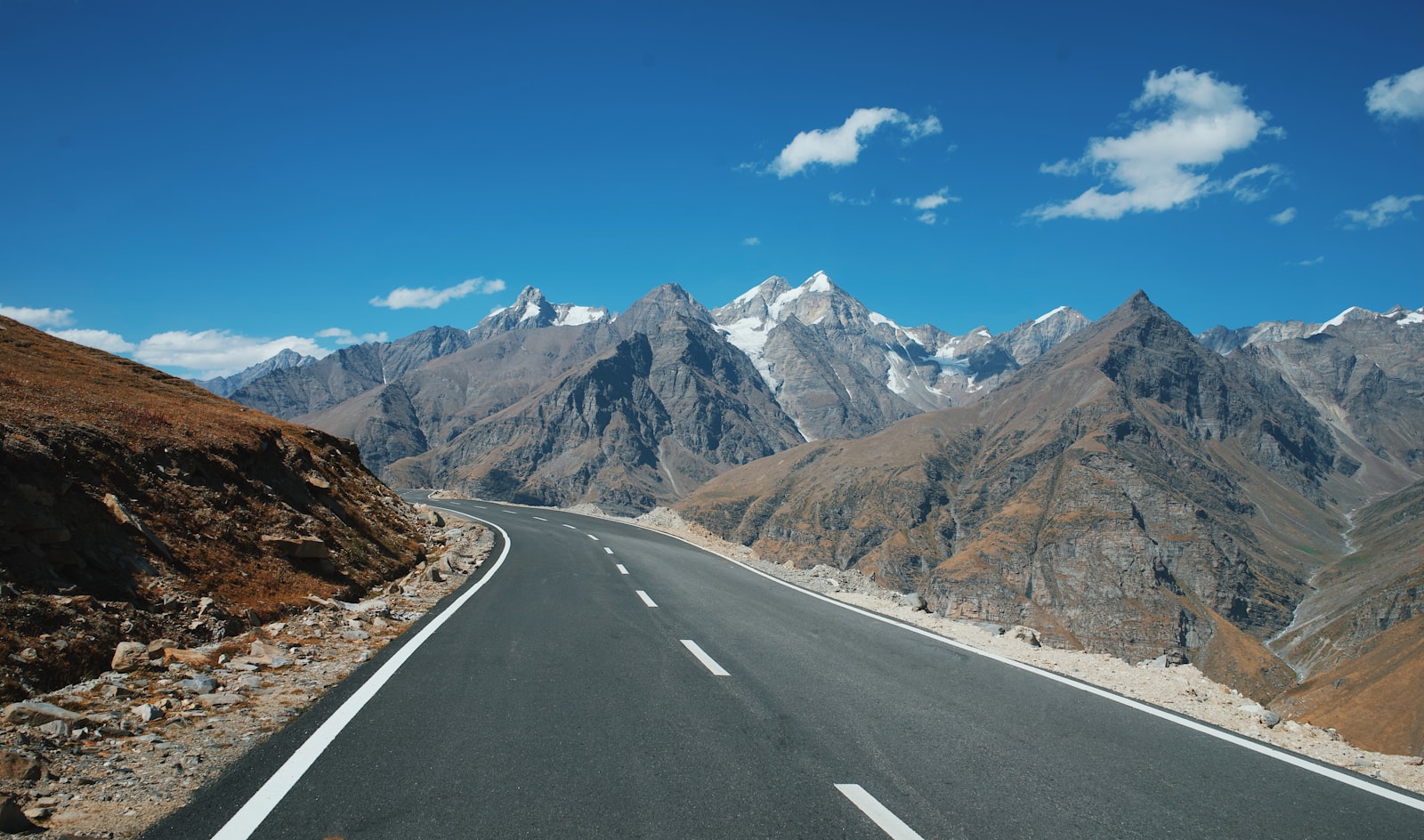
Here is the factor that almost no social media advice mentions: how far your property is from the crowd watching your content.
Think about what an impulse can survive. A reel makes someone hungry; if the restaurant is twenty minutes away, they may be at your table tonight. That is push marketing at its best, an impulse and a fulfilment close enough to touch. A cafe, a brewery, a Sunday brunch place: for these businesses Instagram genuinely is a booking engine, because the distance between desire and action is one auto ride.
Now stretch the distance. A property two or three hours from a metro city can still catch the “let us go this weekend” wave. The reel is watched on Wednesday, the group chat forms by Thursday, and your rooms are full by Saturday. For properties inside this weekend radius, Instagram promotions can genuinely move bookings, especially long weekends, especially when the reel lands on a Sunday evening when city people are dreading Monday and planning their escape.
But a property eight or nine hours away sits outside the radius entirely. Nobody watches a reel and impulsively commits to a nine-hour drive or a flight plus a taxi. A trip to you needs leave applications, family negotiations, and advance planning. By the time that planning actually happens, weeks or months later, the reel is long forgotten and the guest is back on Google, searching like everyone else, comparing like everyone else. Your reel may have planted the seed, but the harvest happens on a different farm.
This is not a reason for remote properties to abandon Instagram. It is a reason to expect different things from it. The nearby property can run “this weekend” promotions and measure the response in days. The remote property is playing a slower game: staying in memory until the guest’s planning season arrives. Same platform, entirely different clock. Owners who do not see this difference judge their Instagram by the wrong scoreboard and conclude, wrongly, that they are doing it badly.
The algorithm does not know where your guests live
There is a second geographical problem, and it is built into how the platform works.
Google search carries intent and location in the same breath: a person searching “homestays near Munnar” is planning a Munnar trip, full stop. Every impression Google gives you is a person already pointed in your direction. Instagram’s algorithm works on interest, not geography. It shows your reel to people who linger on travel content, wherever on the planet they happen to be lingering.
This is how a property ends up with a viral reel, two lakh views, five thousand new followers, and no measurable change in bookings. The views were real. The people were real. But the algorithm gathered an audience of travel dreamers scattered across the map, most of whom will never be within driving distance of your gate. For a restaurant this mismatch is fatal to the whole exercise. For a hotel it simply means that reach is not the same as relevance, and follower count is not a pipeline.
The owners who feel cheated by Instagram are usually the ones who were sold reach as if it were revenue. Reach is real, but it is raw material, and most of it, for most properties, will never be refined into a stay.
The save button and the someday trip
If you want to know what Instagram is actually doing for your property, do not look at likes. Look at saves.
When someone saves your post, they are filing you away in a folder in their head marked “someday”. The honeymoon that is still a year of savings away. The parents’ anniversary trip being quietly planned. The friends’ reunion that has been “definitely happening” for three years. Instagram is the world’s largest collection of someday trips, and your property is competing to be remembered when someday finally gets dates attached to it.
This explains the strange time lag every honest owner notices: a guest arrives in December and mentions a reel from March. Nine months passed between the push and the payment. In between, that guest saw hundreds of other properties, compared yours on Google, read your reviews, checked your photos, and finally booked. Instagram opened the account, so to speak, but many hands closed it.
The practical meaning: content that gets saved beats content that gets liked. The quiet video of what a morning at your property actually feels like earns saves from planners. The trending audio with a jump cut earns likes from scrollers. One of these two groups will eventually pay you.
Followers are not future guests
It helps to be honest about who actually follows a property’s account. Look through your own followers and you will find, roughly: past guests reliving their trip, locals and nearby businesses, other property owners studying you, a sprinkling of relatives, and that large, warm crowd of dreamers we discussed, far outside your radius.
Notice who is missing: the person planning a trip to your area next month. That person is not browsing follower lists. They are on Google, on the map, reading reviews, doing the unglamorous work of shortlisting. They may glance at your Instagram, and we will come to why that glance matters enormously, but they did not start there and they will not book there.
So when the follower count grows, something good is happening, but it is not a queue forming. It is an audience gathering. Audiences are valuable. They clap, they share, they remember. They just should not be counted as customers, and a growing account should never be mistaken for a filling calendar. As we said when writing about why properties fail, the numbers that flatter you are rarely the numbers that feed you.
The DM booking trap
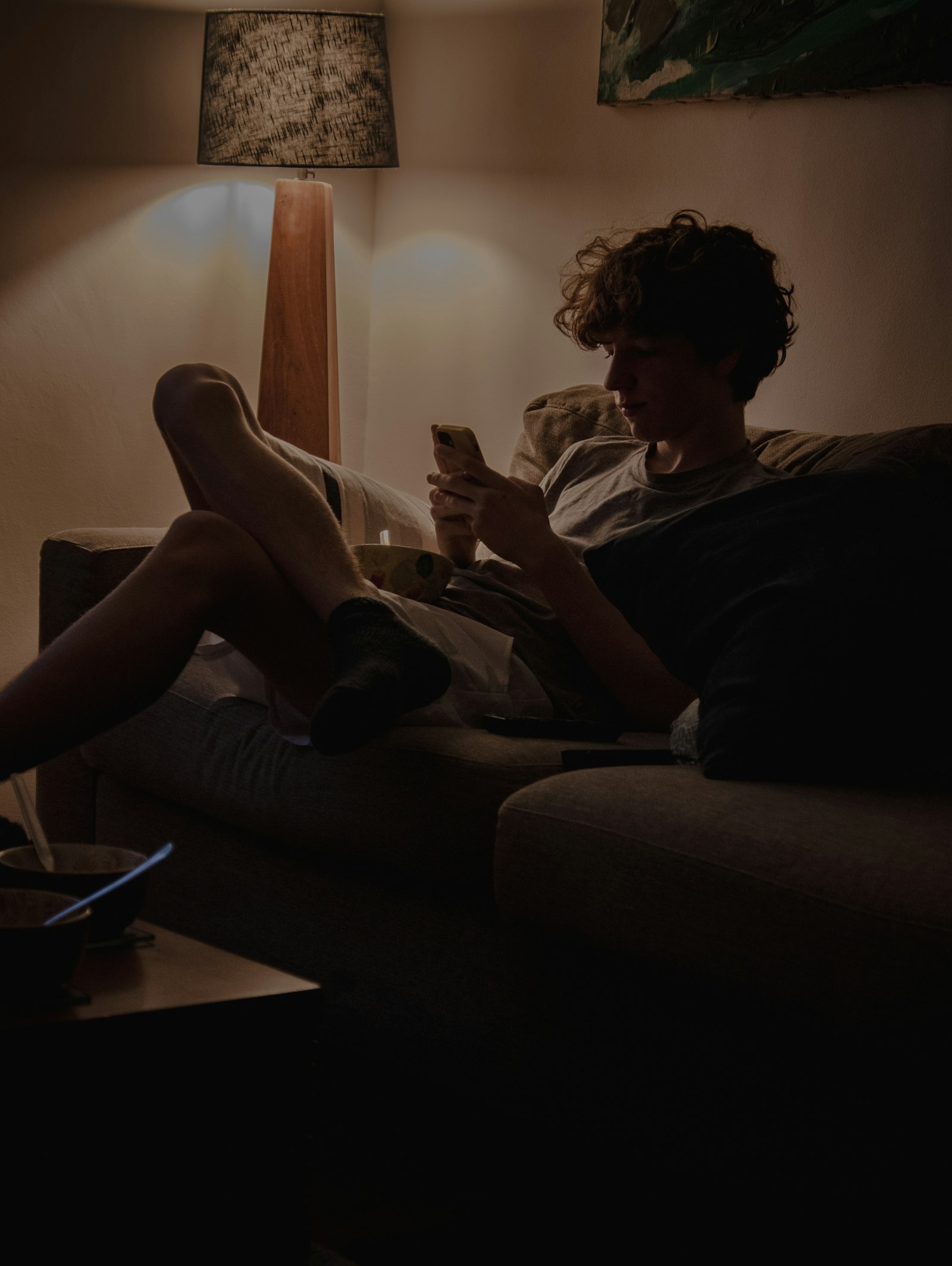
Somewhere along the way, “DM to book” became the default caption for property accounts. It deserves a closer look, because a DM inbox is a poor front desk.
Consider what actually happens. The enquiry arrives at 11:40 pm, from the couch, in the middle of a scroll: “Price for 2 nights?” By the time someone at the property replies next morning, the scroller has moved on, the mood has passed, and the couch is now a desk at work. Push-marketing impulses decay by the hour. An unanswered DM overnight is usually a booking that was never going to survive till morning anyway, but a slow reply guarantees it.
And the enquiries that do continue bring their own tax: rate haggling conducted in chat, dates that change thrice, screenshots as payment proof, and no record anywhere except a thread between memes. The owner becomes a receptionist chained to a phone, quoting rates at midnight. Some properties genuinely run their whole business this way, and every one of them eventually double-books a room or loses a payment screenshot at the worst possible moment.
The healthier pattern is simple: let Instagram be the shop window, not the counter. The bio should carry one link that takes the interested viewer to your own website, where rooms, rates, and availability answer the midnight questions instantly, and where a booking can complete itself while you sleep. This is precisely the gap booking software exists to close, ours included: the enquiry that arrives at midnight should not need you awake at midnight. A window that is always open, backed by a counter that never sleeps.
The influencer barter: do the maths aloud
Sooner or later, every property with a decent Instagram presence receives the message: “We are travel content creators. We would love to collaborate. Two nights in exchange for reels and stories.”
Sometimes this is a fair trade. Often it is not, and the difference is worth doing aloud. Two nights with meals for a family of creators is a real cost: the room you could have sold, the food, the staff attention. Against that, you receive exposure to the creator’s audience, which, remember the radius, may live nowhere near your catchment, and engagement numbers you cannot verify and bookings you cannot trace.
A reasonable rule: collaborate only when the creator’s audience overlaps your actual guest map, when past collaborations can be checked with the properties concerned, and when the deliverables are agreed in writing before check-in: how many reels, how many posts, by which dates, with what tags. Vague collaborations produce vague results, and a stranger with good drone shots and an inflated following is a discount dressed up as marketing.
And even when the fit is right, do not make the stay fully free. Give a generous discount, 90% if you like, but let the creator pay the remaining 10%. The amount is small; the difference is not. Someone who pays something, however little, treats the stay as work and the promises as commitments. Someone who pays nothing is on a holiday with homework, and the homework rarely gets submitted.
One more thing worth negotiating: if the creators are professional photographers or videographers, their photos and videos, taken with proper equipment and an outsider’s eye, can be worth more to you than their posts. Ask for usage rights for your website and your own account as part of the deal. Their audience may live far from your catchment, but good pictures of your property work everywhere, for years. Some collaborations that look like marketing are really a photoshoot in disguise, and that can quietly be the better bargain.
And keep this comparison in mind before paying anyone for authenticity: your checked-out guests produce the most convincing content your property will ever have, and they produce it free. More on that now, because it is the heart of what Instagram is actually for.
What Instagram genuinely does well
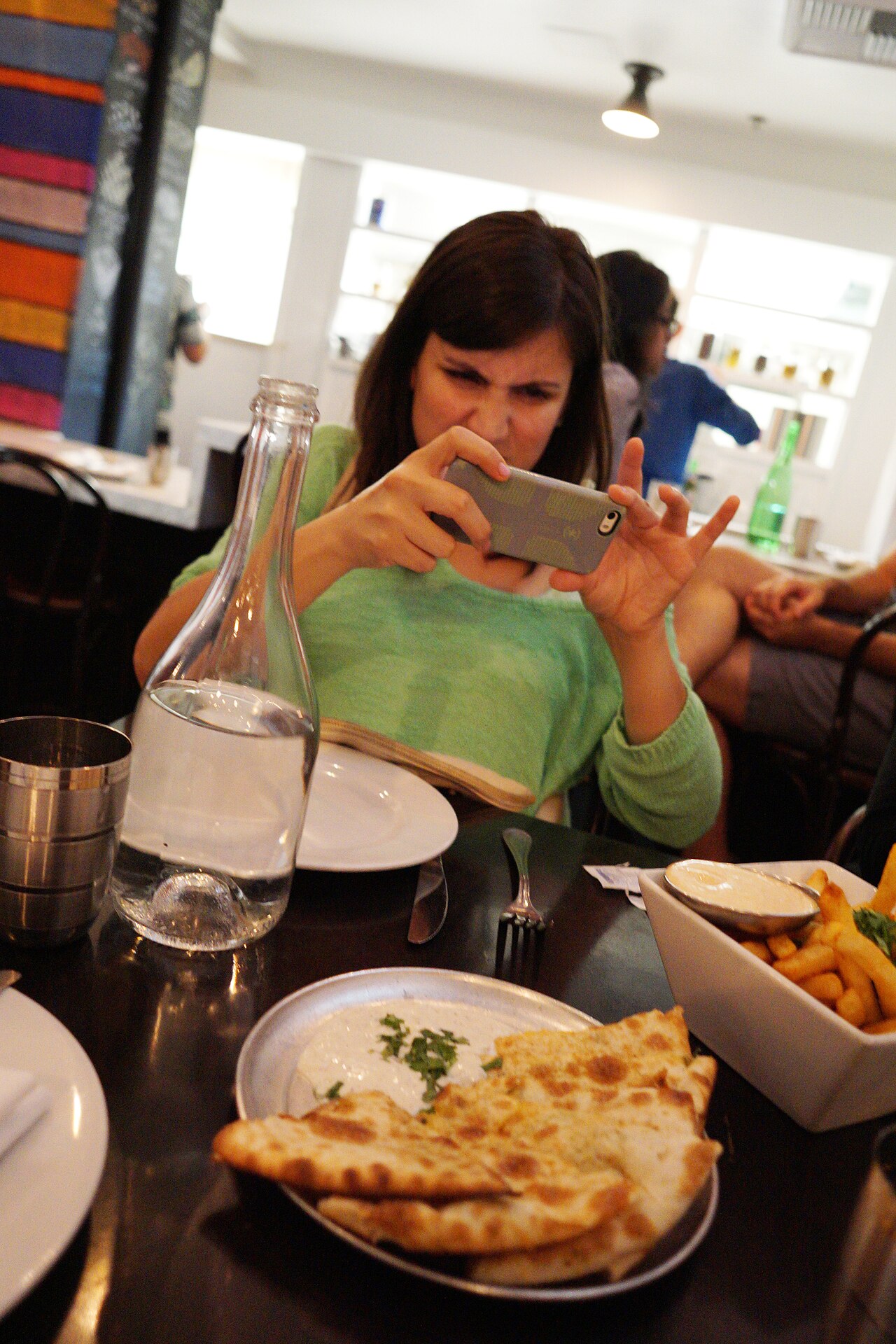
After all this honesty, it would be easy to conclude that Instagram is a waste of a property owner’s time. It is not. It does three things well, and the third one quietly affects every booking you get, including the ones from Google.
First, it keeps you alive in the memory of past guests. The family that stayed last Diwali watches your monsoon reels and aches a little. Repeat guests and referrals grow in exactly this soil. A property’s old guests are its warmest market, and Instagram is the cheapest way ever invented to stay gently in their view.
Second, within the weekend radius, it can genuinely sell. Nearby properties can push offers, long-weekend availability, event tie-ups, and feel the response within days. If you are within a few hours of a big city, this is yours to use.
Third, and most important: Instagram is where guests come to verify you. This is the part owners underestimate. The guest who found you on Google, compared you on the map, read your reviews, is one step from booking, and then opens your Instagram. Not to be entertained. To check. Is this place real? Is it currently open? Do the rooms actually look like the website photos? Is anything happening there this month, or did the account go silent in 2023?
A living account, recent posts, real guests visible, comments answered, closes that check in thirty seconds. A dead account, or none, plants a doubt at the worst possible moment, right before payment. This matters double for any property asking guests to pay an advance directly: the guest sending money to a property they have never seen is looking for proof of life, and your Instagram is the liveliest proof there is.
This is also why the best content on your account is not your drone footage. It is your guests. Photos and videos from real stays, reposted with permission and a thank-you, do the verifying for you, because future guests trust last month’s guest more than any photographer. The habit that feeds this is simple: after checkout, when you message guests asking for a review, ask for a few photos from their stay too. Booking software can carry this habit for you, ours sends that WhatsApp automatically after every checkout, and the photos that come back are tomorrow’s most persuasive posts, made by the only people guests actually believe.
How much of your week does it deserve?
Now the practical question: what should a property owner actually give this platform?
Less than the agencies say, more than nothing, and always after the foundations. The honest priority order for a property’s limited hours is this. First, the Google Business Profile and its reviews, because that is where deciding guests are. Second, your own website with photos, current rates, and a way to book, because that is where decided guests convert, and where every OTA guest you wish you could keep could have been yours. Third, Instagram, as the living proof that backs the other two.
For most properties beyond the weekend radius, that third job needs two or three honest posts a week, not a daily performance. A real morning, a real meal, a real guest moment, posted plainly. Skip the trending audio. Reply to comments like a person. Repost guest photos with gratitude. Thirty to forty minutes a week, most of it enjoyable, none of it at midnight.
For properties inside the radius, add the push: offers timed for Sunday evenings, long-weekend reminders, festival packages. Measure in bookings, not hearts.
And for every property, one rule above all: no post is worth more than the stay itself. An hour spent filming the breakfast is an hour not spent making the breakfast worth filming. Guests can taste the difference, and eventually, so can the algorithm, because what guests remember, they photograph, and what they photograph does your marketing for you.
The one-line summary
If this whole post must fit in one line, take this one: Google finds you, your website books you, Instagram reassures them. Three different jobs. The properties that thrive give each channel its own job and judge it only on that job.
So, does Instagram bring bookings for hotels? Not the way the reels promise. It brings memory, proof, and, if you are close enough to a city, the occasional beautiful weekend rush. Treat it as the stage, keep the box office on your own website, and the platform becomes what it should have been all along: a pleasant, useful window into a property that is busy being worth visiting.
Straight questions, straight answers
Does Instagram bring bookings for hotels directly?
Rarely. Instagram is push marketing: it creates desire in people who were not planning a trip, and most of them convert months later, if at all, usually after finding and comparing the property again on Google. It works as a direct booking channel mainly for properties within a few hours of a big city, where a reel can trigger a genuine “this weekend” trip.
Why does my property get views and followers but no bookings?
Because Instagram’s algorithm distributes content by interest, not by geography. Your reels are watched by travel lovers everywhere, most of whom live too far away to ever visit. Views measure reach, not intent. The guests actually planning a trip to your area are on Google and the map, reading reviews and comparing, which is why a strong Google presence converts while a viral reel often does not.
Should hotels take bookings through Instagram DMs?
As a habit, no. DM enquiries arrive at all hours, decay quickly when replies are slow, and leave no proper record of rates, dates, or payments. The better pattern is a bio link pointing to the property’s own website, where availability and prices answer questions instantly and bookings complete themselves. Let Instagram be the shop window and keep the counter on your website.
How often should a hotel post on Instagram?
Two or three honest posts a week are enough for most properties: a real morning, a real meal, a guest moment, posted plainly and answered personally. Daily posting is only worth considering for properties near a city that are actively pushing weekend offers. Consistency and recency matter more than volume, because guests checking your account before booking mainly want proof that the property is alive and well-run.
Are influencer collaborations worth it for hotels?
Only when the terms are set honestly. Free nights are a real cost, so avoid fully free stays: give up to a 90% discount but let the creator pay the rest, so both sides stay serious. Collaborate when the creator’s audience overlaps your actual guest map, and agree clear written deliverables before check-in. If they are professional photographers or videographers, negotiate usage rights too; their photos and videos can be worth more to you than their posts. For pure authenticity, your own past guests’ photos, collected with a simple request after checkout, convert better and cost nothing.
Is Instagram more important than Google for hotels?
No. Google is where guests with real intent find and compare properties, so the Google Business Profile, reviews, and your own bookable website come first. Instagram’s job is different: keeping past guests warm, reaching nearby weekend travellers, and reassuring almost-decided guests that the property is real and currently thriving. It supports the booking journey; it does not usually start or finish it.
Image credits: Photographer’s Sunset Silhouette by ShenandoahNPS via Wikimedia Commons (public domain). Hill road photo by Akkash Shah on Unsplash (Unsplash License). Couch photo by Lisa Marie Theck on Unsplash (Unsplash License). Rachel Photographing Food by Adam Dachis via Wikimedia Commons (CC BY 2.0).
OpenStays provides booking software for homestays, hotels and resorts, but this blog is not about software. It is about running a property well, written for owners, with owners.
Has Instagram ever brought a booking you could trace, or has it been all views and no guests? Tell us in the comments below. The best stories will find their way into future posts, with your permission and full credit.
Leave a Reply