
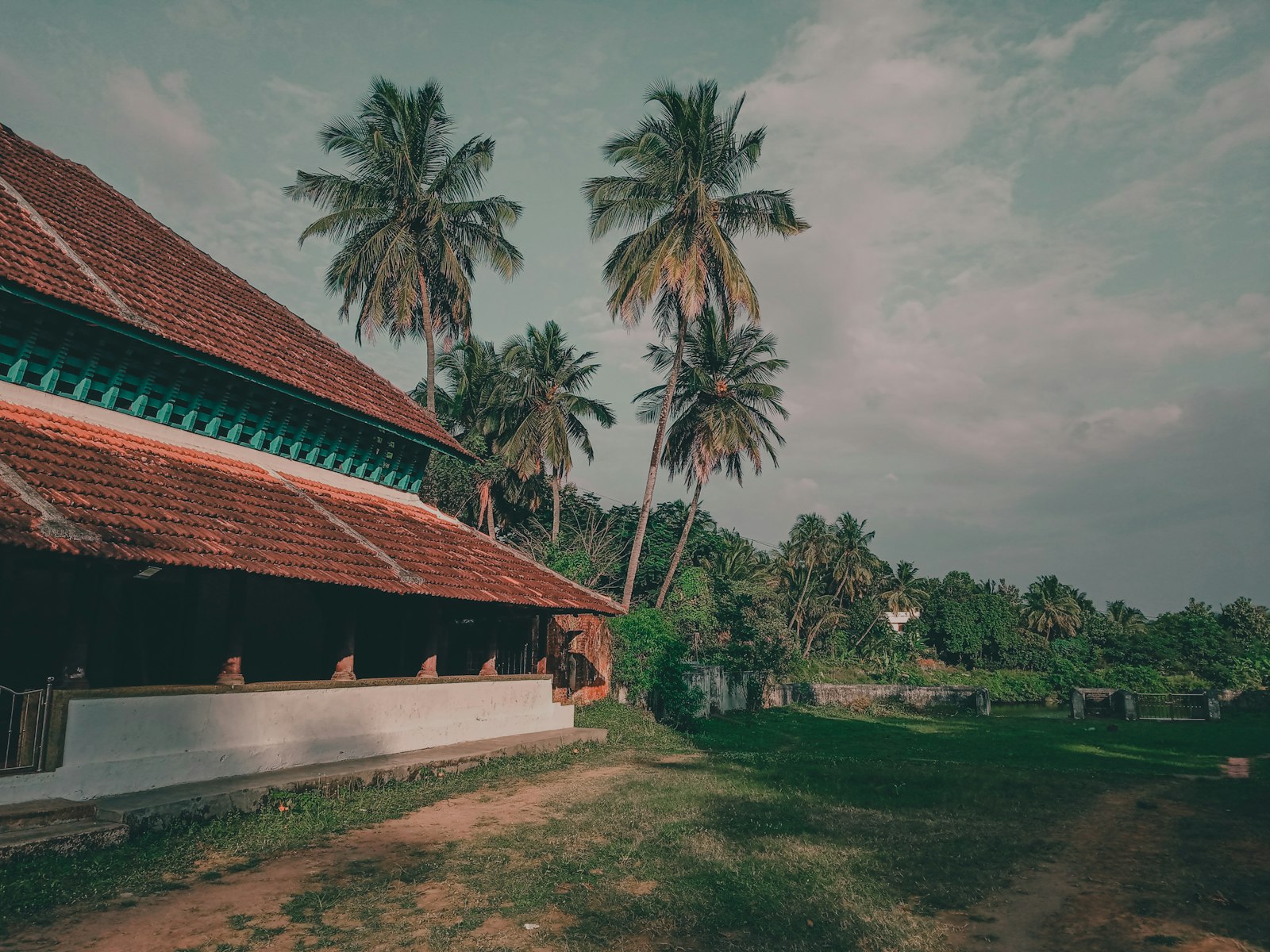
Every travel group chat in India has hosted this argument. Someone shares a homestay with a view and home food. Someone else replies with a hotel deal that has a pool and room service. The thread splits down the middle, everyone is certain and nobody convinces anybody, because the argument is never really about the two properties on the screen. It is about two different ideas of what a trip is for.
This post takes that argument seriously. Not the version written by homestays declaring homestays better, or the hotel version selling the opposite, but the honest one: what a homestay actually promises, what a hotel actually promises, the trades a guest quietly makes when picking one and the trips where each choice is simply correct. We run a booking platform that serves homestays, hotels and resorts alike, so we have no side to take. And there is a second reader this post is written for, the owner. Because the fastest way to run a property badly is to misunderstand which of these two promises your guests think they bought.
What this post covers
Homestay vs hotel: the short answer
Neither is better. They are two different products that happen to share a bed and a bathroom. A homestay sells belonging: a host with a name, food from a family kitchen, a place that behaves like somebody’s home because it is one. A hotel sells consistency: privacy, anonymity, a front desk that answers at 2 am and a room that looks exactly like its photographs, run by systems rather than moods.
That is the honest heart of homestay vs hotel. Choose by trip, not by loyalty. Travelling to be somewhere, with time to sit in it, tilts homestay. Travelling through somewhere, on a schedule, with work in the morning, tilts hotel. The rest of this post is the detail behind that one paragraph, ending with what it all means if the property in question is yours.
Two products wearing one word
The confusion begins with vocabulary. Booking sites, travel apps and family WhatsApp groups use “a place to stay” as if it were one product with different prices. It is not. Strip both down to what the guest actually receives and the difference is structural, not cosmetic.
A hotel is an organisation. Somebody built rooms for strangers, staffed them in shifts and wrote procedures so that any guest on any night receives roughly the same experience. The person at the desk did not choose the curtains and will not be hurt if you skip breakfast. That impersonality is not a flaw. It is the product: predictability, delivered by process, at every price level from lodge to palace.
A homestay is a household. The rooms are attached to a family’s life, the food comes from the same kitchen the family eats from and the person showing you the room probably chose the curtains. The experience is personal because it cannot be anything else. That is not a flaw either. It is the product: particularity, delivered by people, which is precisely why no two good homestays feel alike.
Every real difference between the two, food, privacy, flexibility, price, even how complaints work, flows from this one split between organisation and household, which is why the homestay vs hotel argument keeps circling back to it. Hold onto it and the choice becomes easy to reason about.
What a homestay really promises
Start with the household side, honestly.
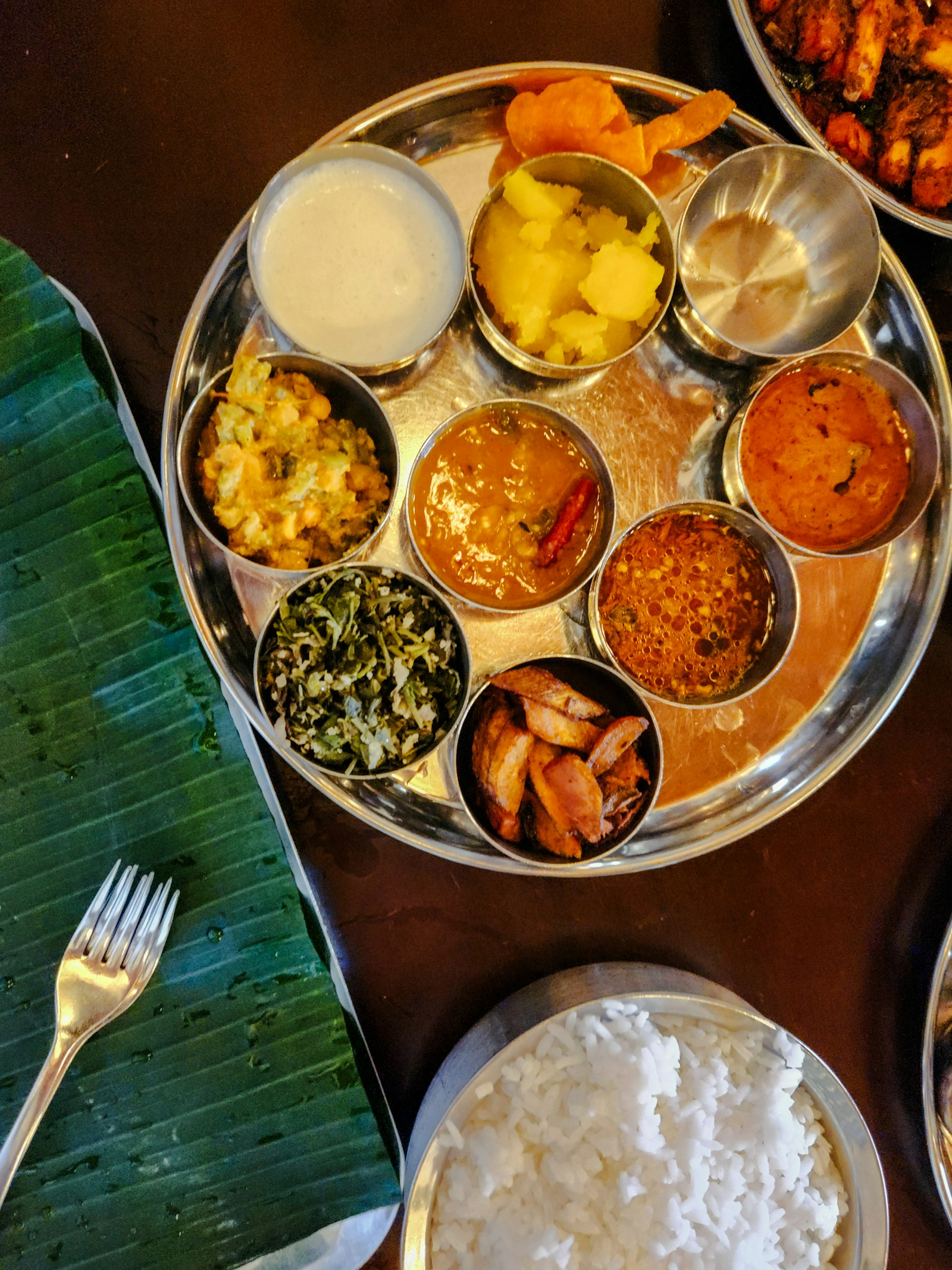
The food is the headline. A homestay breakfast is whatever the family genuinely cooks, dosas from a batter made last night, parathas, filter coffee measured by habit rather than recipe. Dinner, where offered, is often the best meal of the whole trip. Guests remember hosts’ kitchens for years, which is why food dominates homestay reviews the way bathrooms dominate hotel reviews.
The host is the second promise. A person with a name who knows which viewpoint is worth the climb, which restaurant is coasting on old fame, what the taxi should really cost and which route the landslide closed yesterday. No concierge desk matches a host’s local knowledge, because the host is not reading from a screen. For first-time visitors to a region, this alone can be worth the booking.
The place itself is the third. Homestays exist in buildings hotels would never build: plantation bungalows, village houses with courtyards, hill homes with a single perfect balcony. Rooms differ from each other, which the hotel trade would call inconsistency and a traveller might call character. With only a handful of rooms, the property is quiet by design, a point our occupancy maths explains from the owner’s side: a homestay is not trying to fill three hundred beds.
Honesty requires the other column too. Homestay quirks are real: walls that carry sound, meal times that are the kitchen’s not yours, the family dog, the power cut answered with a candle rather than a generator’s hum. Guests who read these as charm have chosen well. Guests who will read them as failures should book the organisation instead and be happier for it.
And there is a promise nobody prints: proportion. In a three-room property you are a third of the evening’s entire responsibility. When the rain starts, somebody notices your washing on the line. That scale of attention simply cannot be bought at a front desk, at any tariff.
What a hotel really promises
Now the organisation’s side, with the same honesty.
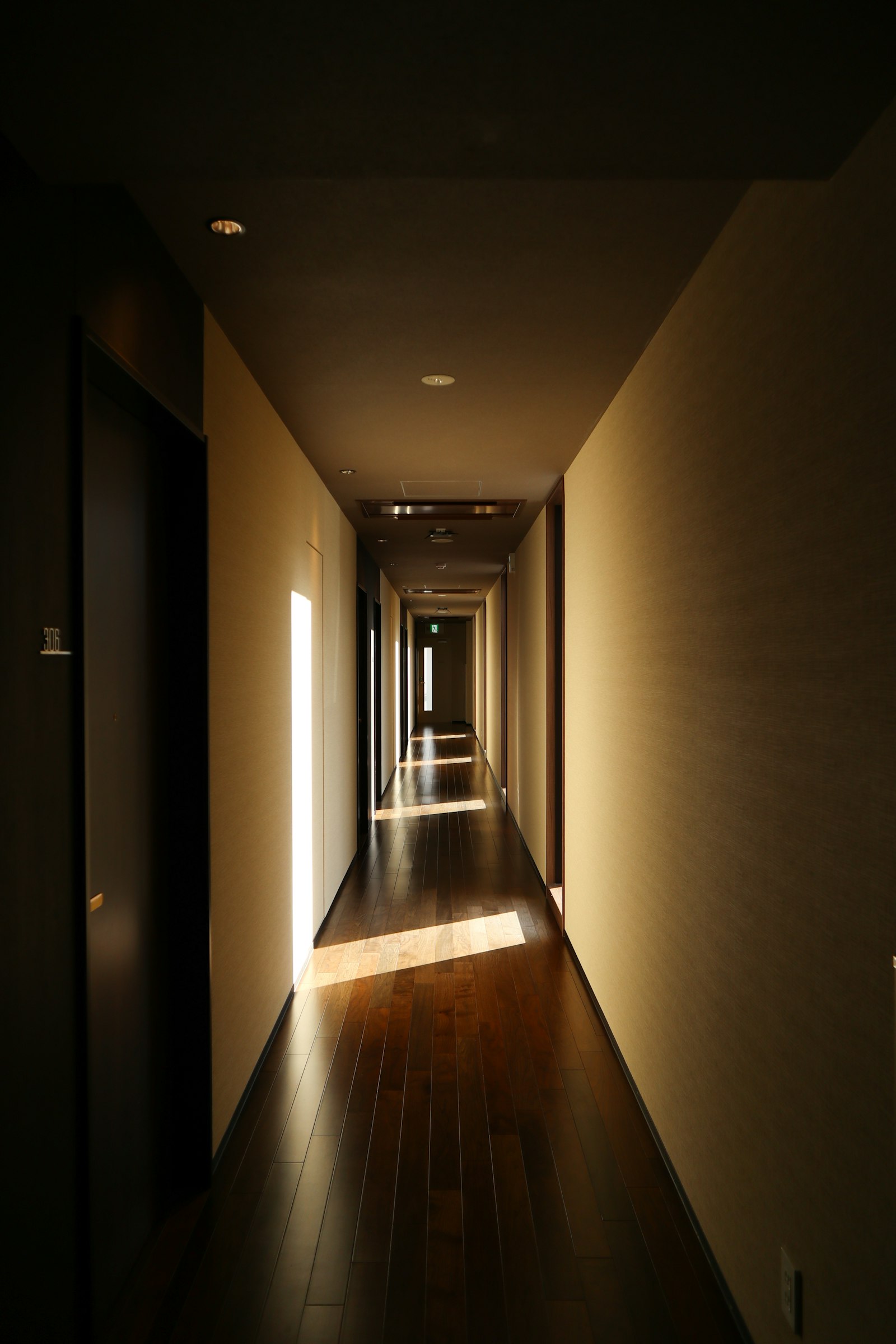
Consistency is the headline. The room will look like the photos, the geyser will work, the bed will be the standard bed and if anything fails there is a number to dial and a person whose job is fixing it tonight. Nobody’s feelings are involved. For a tired traveller arriving at midnight, this predictability is not boring. It is the entire point.
Privacy is the second promise. A hotel guest owes the building nothing: no conversation at breakfast, no explanation for a late night, no goodbye at checkout. Some trips want warmth. Others want to be left completely alone. The hotel is the only product that sells solitude with room service. Anyone who has travelled exhausted understands the luxury of being anonymous.
Infrastructure is the third. A desk that never sleeps, housekeeping on demand, a restaurant with a menu instead of a family’s dinner plans, parking, a lift for elderly knees, an invoice with a GST number the accounts department will accept without questions. Business travel practically requires this scaffolding, which is why the corporate traveller barely faces the homestay question at all.
And hotels scale gracefully. Twelve colleagues, a wedding party of forty, a conference: an organisation absorbs numbers a household cannot. The same staffing structure that makes a hotel impersonal also makes it powerful.
The trades a guest quietly makes
Put the two promises side by side and every booking becomes a set of trades, mostly unspoken.
Warmth against privacy is the central one. The homestay’s greatest strength and its greatest friction are the same fact: people know you are there. Guests who want conversation call it hospitality. Guests who want silence call it pressure. Neither is wrong; they are on different trips.
Character against certainty is the second. The homestay’s rooms have personality, which means the second-best room is not the best one. The hotel’s rooms are interchangeable, which means they are also unmemorable. Pick which risk you would rather carry.
The kitchen against the menu is the third. A homestay feeds you what the family cooks, gloriously, at fixed hours, with limited choice. A hotel feeds you from a menu at 11 pm, adequately, whenever you like. Travelling with a fussy eater or landing after dinner hours changes this trade entirely.
Flexibility runs both directions and surprises people. A homestay can be wonderfully flexible in human ways, an early check-in because the host simply says yes, dinner kept aside for a delayed bus. A hotel is flexible in structural ways, twenty-four-hour reception, no awkwardness in a 4 am departure. The homestay flexes because a person decides to. The hotel flexes because a system exists. On a smooth trip the difference is invisible; the moment plans wobble, it is everything.
Complaints are a trade nobody thinks about until one happens. In a hotel, complaining is a transaction: dial the desk, state the problem, receive a fix or a discount, no relationship harmed because none existed. In a homestay, complaining is a social act, raising a problem with the person whose home it is, across the same table that served you dinner. Many guests find it so awkward that they say nothing all stay and everything in the review afterwards. Hosts who understand this ask early, once, plainly, “is anything not working?”, because the question they ask is the review they will not get.
And rules behave differently. A hotel’s policies are printed, impersonal and enforced without embarrassment, a discipline we argued FOR in advance payment and cancellation decisions. A homestay’s rules are the host’s judgement, gentler on good days, murkier when something goes wrong. Guests who have experienced a dispute tend to value printed rules more than they once did.
What the listing quietly tells you deserves a paragraph of its own, because a guest can usually detect the real product from three signals before ever calling. Photographs with people in them, a host’s face, a laid table, signal a household; photographs of empty symmetrical rooms signal an organisation, whatever the property calls itself.
Review language is the second signal, names and meals against speeds and spreads, as we saw. And the reply under a critical review is the third: a signed, personal answer is a household speaking, a templated “Dear guest, we regret” is a system. None of these signals is good or bad. They simply tell the truth about the promise on offer, faster than the tariff page does.
Trip by trip: where each one wins
Run real Indian trips through those trades and the pattern settles quickly.
The family festive trip, grandparents to toddlers, three days over Diwali or Dasara: homestay, usually emphatically. Home food solves the elders’ dinner, the courtyard absorbs the children and the host’s warmth becomes part of the family’s memory of the festival. This is the trip homestays were invented for, the same high-demand windows we mapped in the festive calendar.
The overnight work halt, meeting at ten, flight at seven: hotel, almost without thinking. Invoice, iron, anonymity, checkout at dawn with nobody’s feelings to manage.
The couple’s anniversary weekend: genuinely either. This is where the group chat argument lives. A homestay with a private balcony and dinner under the trees can beat any hotel; a homestay where the host hovers cannot. Here the individual property matters more than the category, which is why reviews, not the label, should decide, a point we made about review-reading from the other side of the desk.
The big friends’ group: the whole-property homestay booking is the underrated winner. Eight friends taking all five rooms get a private house, one kitchen cooking for the table and music without a neighbour complaint, something no row of hotel rooms reproduces. Failing that, a hotel absorbs groups gracefully.
Elderly parents travelling alone: homestay, chosen carefully, ground-floor room, home food, a host who checks in on them. The attention a household provides is exactly what this trip needs.
The monsoon or green-season trip, booked for the weather itself: homestay, specifically one with a deep veranda. This trip is stationary by design, rain, chai, a table to work or read at, which plays every homestay strength and no hotel strength. The same logic runs in reverse for a packed sightseeing itinerary, four towns in five days: a chain of hotels serves a trip that only sleeps in the room.
The wedding-guest overflow, three days in the bride’s town: hotel for the schedule’s sake, unless the families have taken over whole homestays nearby, which increasingly happens and works precisely because it converts guests back into a household for the week.
The solo traveller splits by purpose. Working remotely for a week: the homestay’s household rhythm and real breakfasts wear better than room service. Decompressing between flights: the hotel’s solitude wins. Many women travelling solo tell both answers: a homestay with strong reviews offers a family’s presence around them, a known hotel offers process and personnel. In both cases the property’s review history, not its category, is the real safety signal.
The crowded middle: guesthouse, villa, farmstay, boutique
Between the pure household and the pure organisation lies the crowded middle where most of the confusion actually lives, along with many of the bookings.
The guesthouse is a household running at organisation pace: rooms let by a family that may not live on the same floor, breakfast included but the warmth variable. The serviced villa or apartment sells the homestay’s privacy without its people, a whole house with a cook on call and nobody’s family in it, which suits groups who want each other’s company and no one else’s. The farmstay is a homestay where the setting does the hosting, mornings among areca or paddy. The “boutique hotel” is, honestly, whatever its owner says it is: sometimes a hotel with personality, sometimes a homestay with a rate card and ambition.
The labels matter less than one test: who answers when something goes wrong at 9 pm, a person whose house it is or a shift that changes at 10? That single question sorts every property in the middle into its true category faster than any listing description. A villa with a caretaker is an organisation in a house’s clothing. A six-room “boutique stay” where the owner cooks is a homestay in a hotel’s vocabulary. Guests who ask the question book right; owners who answer it honestly market right.
The middle is also where properties get stuck, which brings us to the owner’s side of this whole argument.
The price question is not what it looks like
Comparing tariffs across the two is the most common mistake in the argument, because the printed rate buys different things.
The homestay rate usually walks in the door with breakfast, often parking, sometimes an evening chai that quietly becomes dinner conversation and always the host’s phone number, which on a bad day is worth more than everything else combined. The hotel rate frequently walks in bare, room only, with breakfast, parking and every extra sold separately. A Rs 3,500 homestay night and a Rs 3,000 hotel night can reverse order entirely by the time the trip’s bills are added.
One more rupee truth sits under the comparison: where the money lands. A homestay booked directly, on its own website or over WhatsApp, sends the whole tariff to the family that will cook your breakfast, while the same booking routed through a commission platform quietly sends a fifth of it elsewhere. Hotels absorb commissions as a cost of machinery; for a household the difference is personal. Guests who love a place and want it to exist next year have one small lever: book it directly the second time.
Season moves both, as our festive pricing post laid out without apology, but structure differs: the homestay’s simpler cost base lets a family hold honest published rates year-round, while hotels run more elaborate rate machinery. Which side is cheaper on a given weekend is genuinely unpredictable. What stays predictable is the shape of what the money buys: at a homestay the rate buys the household’s attention, at a hotel it buys the organisation’s machinery. Compare trips, not tariffs.
Why India suddenly has this choice everywhere
A traveller from twenty years ago would be surprised the argument exists. Outside a few famous regions, Kerala’s backwaters, Himachal’s trekking routes, Coorg’s plantations, the choice in most Indian towns was a lodge or a costly hotel. Two quiet shifts built today’s abundance. State tourism departments began registering and encouraging homestays, turning spare rooms in family houses into legitimate businesses across the hills and the coasts. And a generation of travellers raised on reviews learnt to trust a stranger’s home if two hundred earlier guests vouched for it, which did for households what star ratings once did for organisations.
The result is that homestay vs hotel is now a genuine choice in Wayanad and Ziro alike, not just in brochures. It also means both products face real competition from each other for the first time, which is precisely why the owner section that follows matters more with every season.
If you own the property, this is the actual lesson
Now turn the whole comparison around, because the owner reading this has more at stake in the argument than any traveller.
Your guests booked a promise. Every disappointment in this trade is a promise mismatch: the guest who expected hotel-grade privacy in a three-room homestay, the guest who expected a host’s warmth from a fifteen-room hotel with a desk. The property did nothing wrong except confuse which product it was selling. So decide, in one sentence, which promise your property makes, then audit everything guests see against it: photos, listing text, the booking page, the welcome. Ambiguity here is the silent generator of three-star reviews.
Then lean into your side of the ledger instead of imitating the other. The homestay that installs a reception counter, prints a menu card and hides the family behind “staff” has spent money destroying its own advantage; the cook and the host presence were the product. The small hotel that pretends to be a home sets expectations its systems cannot keep; its honest pitch is consistency, cleanliness and printed rates kept without drama. Both properties win by being more themselves, not less.
Your reviews will tell you which promise guests think you made. Homestay reviews name people and meals: aunty’s dosas, the host who arranged the jeep. Hotel reviews name systems: check-in speed, bathroom, breakfast spread. Read your last twenty reviews and if the language does not match the promise you think you sell, the market is quietly re-classifying you. It is worth listening. A review base is also the only argument that wins the anniversary-couple booking, where category loses to the individual property every time.
And whichever side you are on, the booking should feel as trustworthy as the stay. Guests choosing between a homestay and a hotel are partly choosing between informality and process; a homestay with printed rates, instant confirmation on its own website and a WhatsApp message that arrives the moment the advance is paid has kept its warmth while borrowing the hotel’s best habit. That is the precise gap booking software exists to close, ours included: the household keeps its soul, the paperwork behaves like an organisation.
There is one more owner truth hiding in the crowded middle: the property stuck between promises. The ten-room place with a part-time front desk, a dinner that must be ordered by 5 pm and an owner who visits on weekends is neither household nor organisation. Its reviews usually say so in the politest, most damaging way: “nice property, service could be better”.
Stuck properties do not need more spending. They need a decision. Either put the family visibly back at the centre, host at breakfast, names learnt, dinners at one long table, or finish becoming an organisation, printed procedures, a phone that is always answered, rules that do not depend on who picks up. The two ten-room properties we compared in the staffing post were really making this same choice; the one that chose deliberately won on half the payroll.
What the argument is really about
Return, finally, to the group chat. The homestay camp and the hotel camp are not disagreeing about accommodation. They are disagreeing about what a trip is for: immersion or escape, connection or solitude, a story to tell or a battery recharged. Both are legitimate ways to travel and most travellers are both people in different months.
That is why the argument never resolves and never needs to. India is currently rich in both products, the homestay boom giving travellers characterful households from Coorg to Kalimpong while hotels keep doing what organisations do best. The only wrong answer in homestay vs hotel is choosing the right property for somebody else’s trip.
The one-line summary
If this post must fit in one line: homestay vs hotel is a choice between belonging and consistency, so pick a homestay when the stay IS the trip and a hotel when the stay serves the trip. If you own either one, sell your promise loudly and keep it completely.
The group chat will keep arguing. Let it. Send this post into the thread if you like, though it will not settle anything, because the thread was never really about rooms. The traveller who understands the trade picks right nearly every time and the owner who understands it stops copying the wrong playbook. Both leave the argument better than they found it, which is more than most arguments about travel can claim.
Straight questions, straight answers
Which is better, a homestay or a hotel?
Neither, in general. A homestay sells belonging: a host, home food and a place with character. A hotel sells consistency: privacy, systems and a room that matches its photos. Trips where the stay is the point, family holidays, slow leisure travel, tilt homestay. Trips on a schedule, business halts, one-night transits, tilt hotel. The right answer changes with the trip, not the traveller.
Is a homestay cheaper than a hotel?
Often, but not reliably. The printed rate misleads. Homestay tariffs usually include breakfast, parking and the host’s attention, while many hotel rates are room-only with extras billed separately. Comparing total trip cost rather than per-night rate frequently reverses the ranking. Season matters more than category: both sides price their peak windows up, as festive travellers discover every October to December.
Are homestays safe for families and solo travellers?
Established homestays are generally as safe as hotels, with the family’s presence on the property serving as its own reassurance. The reliable signal is not the category but the record: a long history of detailed reviews naming the hosts. Solo travellers, including women travelling alone, reasonably read that review history closely, confirm who lives on the property and share the booking with someone at home, exactly as they would for a small hotel.
What is the main difference between a homestay and a hotel?
A hotel is an organisation built for strangers; a homestay is a household that admits guests. Everything else follows: hotels deliver predictability through staff and procedures, homestays deliver a personal experience through the family that lives there. The hotel’s strength is that nobody knows you; the homestay’s strength is that somebody does.
Do homestays provide food like hotels do?
Differently. Most Indian homestays include home-cooked breakfast and offer dinner on request from the family kitchen, usually the best food of the trip, but at set times with limited choice. Hotels offer menus and longer service hours with less character. Guests landing late at night or travelling with picky eaters should confirm meal arrangements with a homestay before booking.
Are homestays good for business travel?
Rarely. Business trips lean on hotel infrastructure: GST invoices the accounts team accepts, ironing, early checkouts without conversation, reliable desks and Wi-Fi service standards. A remote worker settling into one town for a week or more is the exception, where a homestay’s rhythm and real meals often beat a hotel room’s isolation.
Image credits: Kerala house photo by sanoop p on Unsplash, corridor photo by Momo Kim on Unsplash and thali photo by Zoshua Colah on Unsplash, all under the free Unsplash License.
OpenStays provides booking software for homestays, hotels and resorts, but this blog is not about software. It is about running a property well, written for owners, with owners.
Which promise does your property sell, the household’s or the organisation’s? Do your reviews agree? Tell us in the comments below. The best stories will find their way into future posts, with your permission and full credit.
Leave a Reply