
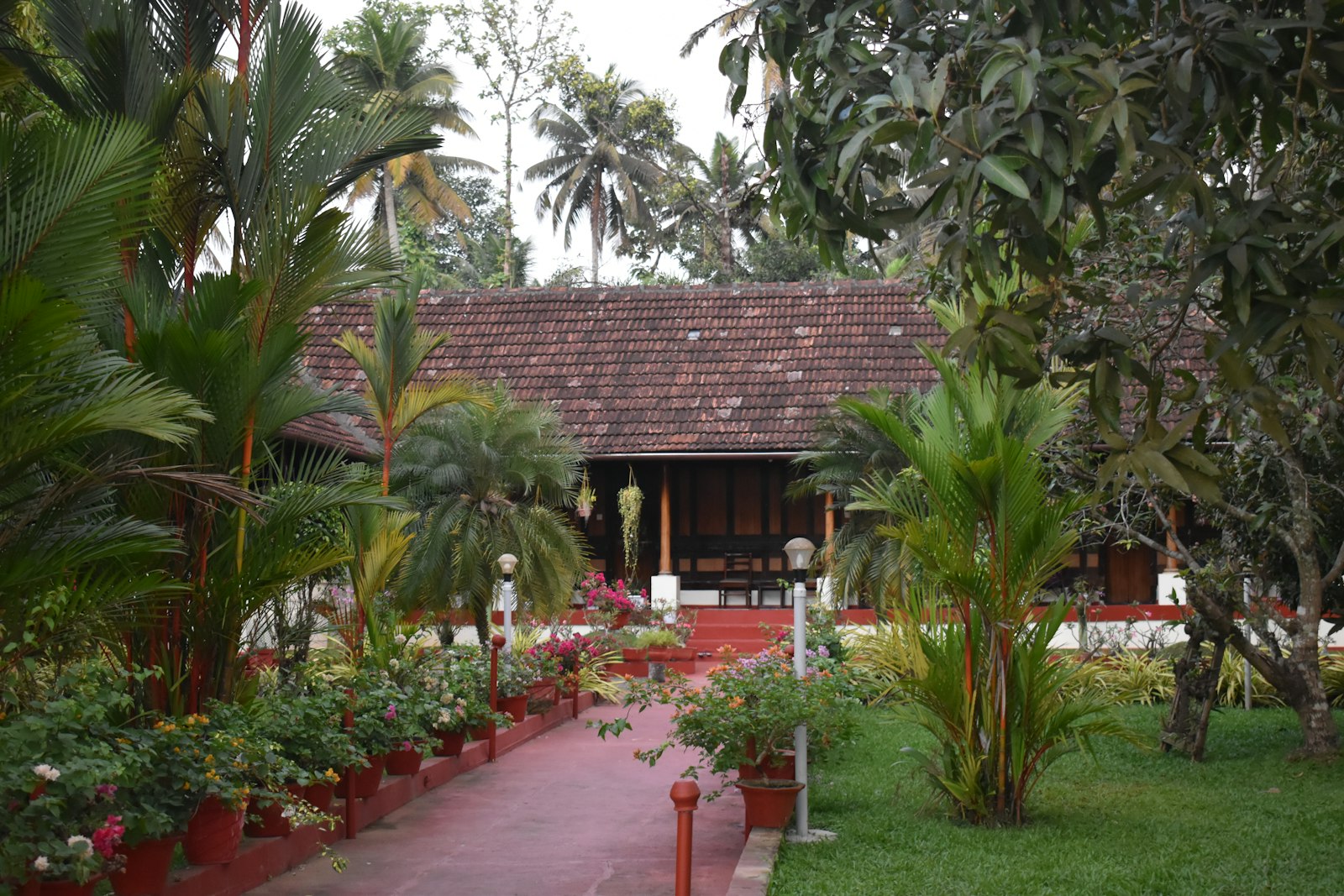
Nobody has ever driven six hours back to a hotel because they missed the front desk.
But homestay guests do exactly that. Ask around and every homestay owner in India has a version of this story: the family that returns every year and asks, before anything else, whether the same person is still doing the cooking. The guest who booked again not because of the room, but because someone sat with them on the verandah on their last evening and told them which waterfall the taxi drivers don’t know about.

That is the thing big hotels cannot buy and it is worth being honest about what it means for your business. A homestay is not a smaller hotel. It is a different product altogether, one where the host is the experience, not the building. The properties that understand this run full through seasons when everyone else is discounting.
This post is about how to be that kind of host, on purpose. Not with scripts or hospitality-school theory, but with seven practical habits we keep seeing at the best small stays across India, from coffee estates in Coorg to river houses in Tirthan. None of them need a big budget. All of them need your attention, which is exactly the point.
A note before we start: this is not another list written from a desk in a metro. It comes from conversations with homestay families, from our own stays as guests and from watching what actually fills rooms in the off-season. Some of it is uncomfortable, the best homestay advice usually is. Take what fits your place and ignore the rest; no two homestays should run the same way.
On this page
- 1. Notice what your homestay guests actually remember
- 2. Be reachable like a person, not a property
- 3. Feed people like family and let the food tell your story
- 4. Sell the place, not just the room
- 5. Guard your time for the moments only you can host
- 6. Turn one visit into a family tradition
- 7. Let your guests do the marketing you cannot
- Quick questions homestay owners ask us
- Do I need fluent English to be a memorable homestay host?
- How do I stay warm with guests I don’t naturally click with?
- My homestay is remote. Doesn’t that limit all of this?
- How much should a homestay spend on marketing?
- The unfair advantage every homestay already owns
1. Notice what your homestay guests actually remember
Read your own reviews closely sometime, not to check the rating, but to see what guests chose to write about. It is rarely the things we spend the most money on.
They don’t write about the tiles. They write about the person who noticed they were vegetarian without being told twice. They mention chai that arrived at exactly the right time on a cold morning, directions repeated patiently for the third time on the phone, an extra blanket that appeared before anyone asked. One line about the view; three lines about the people.
Hotels know this too, which is why chains spend crores training staff to seem personal. Scripted greetings, your name repeated back to you at check-in, a welcome letter signed by a general manager you will never meet. It is a costume. Guests can tell.
You don’t need the costume. You are actually there. The practical habit is simple: once a month, sit with your last twenty reviews and underline every sentence that mentions a person or a moment. That underlined list is your real product. Protect those moments before you spend a rupee on anything else, because that is what your homestay is being booked for.
2. Be reachable like a person, not a property
Before a guest ever tastes your food or sees your view, they experience one thing: how you reply.
The 11pm WhatsApp message asking whether hot water is available in the morning is not an annoyance, it is an audition. Somewhere between “message sent” and your reply, the guest is deciding whether your homestay feels like a place run by someone who cares. A warm, specific answer within minutes wins bookings that a professional website alone never will.

Two details matter more than speed. First, sound like yourself. “Yes ma’am, geyser in every room and morning kaapi is at 7, you won’t miss it” beats “Dear guest, we confirm availability of hot water” every single time. Second, answer the question behind the question. Someone asking about hot water in December is really asking whether your place is comfortable in winter. Tell them about the blankets and the bonfire too.
This is also where honest boundaries help. Put your check-in time, directions and food timings in one saved message you can send in five seconds. The goal is not to sound automated, it is to stop retyping the basics so your actual typing time goes into the human replies that win the guest over. Some hosts now go one step further and let a WhatsApp assistant answer these basics instantly, even at 11pm, so the only messages that reach them are the ones that truly need a human.
3. Feed people like family and let the food tell your story
Nobody photographs a buffet. But guests will photograph a banana-leaf breakfast, a pandi curry that took all morning, or akki rotti made on a wood fire and every one of those photos sells your homestay to fifty people you have never met.
Food is the one place a small stay beats a five-star effortlessly, because your kitchen has something theirs cannot have: a specific family, in a specific place, cooking what they actually eat. The mistake many homestay owners make is imitating hotel menus, paneer butter masala and toast, instead of serving the neer dosa or thukpa their own family had that morning.
Serve what is yours. Explain it while you serve it, where the recipe came from, whose farm the vegetables came from. If a dish has a story, guests will retell it and stories are how word of mouth travels. You will know it is working when guests start asking for recipes and when your reviews mention dishes by name.
One caution: never promise a spread you cannot sustain on a full-house weekend. A simple breakfast served warmly beats an elaborate one served frazzled. Guests forgive a short menu. They do not forgive a distracted host.
4. Sell the place, not just the room
A hotel sells a room night. A good homestay sells a place and you are the only person who truly knows yours.
The waterfall without a signboard. The viewpoint that is better at sunrise than the famous one is at sunset. The weaver two lanes away, the toddy shop that serves lunch, the Tuesday market. This knowledge is worth more than any amenity and it costs nothing except a walk with your guests or ten minutes with a hand-drawn map over chai.
Hosts who do this well treat it as part of the stay, not a favour. Some keep a small notebook of local recommendations by season, what is blooming, which stream is safe after rains, where the migratory birds have arrived. Tourism boards like Incredible India promote the big attractions; your job is the fifty metres around them that no website knows.
When guests come back from a day built on your suggestions, they return to the homestay feeling like insiders. That feeling, being let in on a place, is what they will describe to friends long after they have forgotten the thread count.
5. Guard your time for the moments only you can host
Here is the part the feel-good version of this story skips: being the host people remember is tiring.
It means being interrupted at dinner. It means telling the story of the estate for the hundredth time as if it were the first. On a full weekend it can feel like the least important thing on your list, behind payments to chase, rooms to turn around and a booking enquiry you have not replied to since morning.
And this is exactly where small properties quietly lose their advantage. Not because the warmth runs out, but because the owner’s attention gets eaten by everything else. The guest gets five distracted minutes instead of an unhurried half hour and the homestay becomes, through nobody’s fault, just a room.
A forty-room hotel solves this with departments. You can’t and you shouldn’t want to. The better question is: of everything that filled your day today, how much actually needed you? Chasing an advance does not need you. Copying passport details into a register does not need you. Answering “what time is check-in?” for the fifth time does not need you. Sitting with your guests as the light goes off the hills, that needs you. The good news: every one of those jobs can now run without you, advance payments landing straight in your bank account, guest IDs stored safely, check-in details going out on their own. Tools like this cost less for a whole year than what a listing site takes from one festive-week booking.
Whatever tools or help you use to run your homestay bookings, judge them by one measure only: do they hand you back evening hours with your guests? That is the whole point of getting organised, not neatness, but presence.
6. Turn one visit into a family tradition
Repeat guests are the quiet economics of homestay hosting. No commission, no ads, no convincing. They already know the road to your gate.
Run the numbers once and you will never think about this casually again. A family that visits every year for five years, tells two other families and books directly each time is worth lakhs over its lifetime, earned without a single rupee of acquisition cost. Meanwhile the one-time stranger from a listing site arrives with a commission attached and leaves with no reason to remember you. Both fill a room tonight. Only one builds a business.
A stay that guests remember as a person rather than a property is the kind they return to and a handful of families who come back every year is worth more than a good month of strangers. The hosts who earn this do a few small things consistently.
They remember details and use them: the daughter’s exam, the father’s early-morning walk, the way one guest takes her coffee. They mark departures properly, a packed breakfast for the road, seeds or pickle from the garden, an honest “come back for the monsoon, the falls are unrecognisable.” And they keep a light touch afterwards: one personal message when the season the guest loved returns. Not a newsletter blast, a sentence, from you, about the jacaranda being in bloom.
That single message, sent to twenty past guests before a season opens, with your direct booking link at the end of it, will fill rooms more reliably than any discount. People rarely ignore an invitation from someone who remembered them.
7. Let your guests do the marketing you cannot
Your photos compete with every property in the district. Your guests’ stories compete with nothing.
When someone tells their friends “the uncle there took us to the Tuesday market himself,” there is no rival listing for that. Nobody else has you. A review that names a person, “Lakshmi’s breakfast”, “Thomas drew us a map”, does more to convince a hesitant stranger than a dozen “clean rooms, good location” comments, because it is proof that something real happens at your place.
So make it easy for the stories to travel. Ask for the review on the morning of checkout, while the goodwill is warm and ask like a person: “If the stay made you happy, a few lines about it help our small homestay more than you know.” Guests who had a good time genuinely want to help, most simply forget by the time they are home.
And when the stories come, put them to work. Share the guest’s market photo on your WhatsApp status. Read every review for the moments guests name and do more of exactly that. Word of mouth is not luck; it is a system with a person at the centre of it.
Quick questions homestay owners ask us
Do I need fluent English to be a memorable homestay host?
No. Warmth is not a language skill. Some of the best-loved hosts in the country run their homestay in Kannada, Malayalam, Hindi or Mizo, with gestures and laughter filling the gaps. Guests adjust within an hour and many later describe the language mix as part of the charm. Simple words spoken with genuine attention beat polished sentences read from a script. If a booking enquiry needs typed English, a family member or a translation app can cover that five percent of the job. The other ninety-five percent, noticing, feeding, remembering, needs no grammar at all.
How do I stay warm with guests I don’t naturally click with?
You are allowed to be professionally warm rather than personally close. Not every guest becomes family and forcing it exhausts everyone. Reliability is its own hospitality: hot food on time, clean rooms, honest answers, help when asked. Keep your standards identical for the guests you click with and the ones you don’t and let the connection happen, or not, on its own. Interestingly, the reserved guests often write the most generous reviews. They noticed everything; they just didn’t chat about it.
My homestay is remote. Doesn’t that limit all of this?
Remoteness is a feature, sell it that way. Nobody drives four hours past the last petrol pump for something ordinary. The journey itself is your first chapter: send voice-note directions in advance, tell guests where to stop for lunch, warn them about the last stretch of road with affection rather than apology. By the time they reach your gate they are already inside the story of the place. A remote homestay that manages arrival well converts first-time visitors into annual pilgrims faster than any city property can.
How much should a homestay spend on marketing?
Far less than the ads industry would like. Before any paid promotion, exhaust the free engine this whole post describes: reviews that name people, guests’ own photos, one personal message to past visitors each season and a direct booking link you can share on WhatsApp in one tap. Good phone photographs in morning light cost nothing and outperform stock-style shoots. Paid ads can amplify a homestay that already delights people, they cannot fix one that doesn’t. Spend on the geyser before the boost button.
The unfair advantage every homestay already owns
None of these seven habits require a renovation, a marketing agency, or a loan. They require the one asset a big hotel cannot hire, train, or franchise: a real host, present in a real place, treating strangers like guests of the family.
Travellers across India are actively looking for exactly this. The families driving out of Bengaluru on a Friday evening, the couple planning a quiet week in the hills, the remote worker who wants a desk and a view, more of them choose a homestay over a hotel every year, precisely because they are tired of the costume version of hospitality. State tourism boards from Kerala to Himachal now actively promote homestays for the same reason: visitors keep saying the people were the highlight of the trip.
Your rooms matter. Keep them clean, keep the geyser working, fix the latch. But when you plan where your energy goes this season, remember what your guests will actually carry home. They will forget the tiles. They will remember you.
Guard that and the bookings look after themselves. Start small this week: reread your last twenty reviews, save one WhatsApp template, plan one dish with a story behind it and send one message to a guest who stayed last season. Four small habits, one free evening, that is how a memorable homestay is actually built.
OpenStays provides booking software for homestays, hotels and resorts, but this blog is not about software. It is about the craft of running a property well, written for hosts, with hosts.
What do your guests remember about your place? Tell us in the comments below, the best stories will find their way into future posts, with your permission and full credit.
Image credit: featured photo by Om Surve on Unsplash, used under the free Unsplash License.
Leave a Reply