
TECHNOLOGY / RESOURCE GUIDE
Battery energy storage system (BESS) for hotels
How BESS works and whether it makes sense for your property.
If you run a hotel, homestay or resort in India, a power cut is not just an inconvenience. It means guests sitting in the dark, a lift stuck between floors, food spoiling in the walk in cooler and your WiFi router (along with your booking system) going offline right when a guest is trying to check in. Most properties already own some kind of backup, usually a diesel generator, an old inverter, or both.
This page is about the part of that setup that has changed the most in the last few years: the battery. A Battery Energy Storage System, usually just called a BESS, is the modern name for what used to be a simple inverter battery sitting in a corner. The idea is the same (store electricity so you can use it when the grid fails) but the technology inside has moved a long way from the lead acid batteries most properties still run today.
This guide explains what a BESS actually is in plain language, how it compares with the tubular battery you probably already own, what real Indian brands and products are available right now, how to work out the size your property actually needs and what it is likely to cost. It also covers the safety certifications you should ask for, the government schemes that get mentioned in sales pitches (and whether they actually apply to you) and the mistakes that cause people to regret their purchase a year later.
This guide is long on purpose. Battery backup is not a small purchase you make once and forget, it is a decision that affects your guest experience, your monthly costs and your maintenance workload for the next decade. Rather than pointing you to one “best” product, the aim here is to walk you through the actual reasoning: how the technology works, what it really costs over time, what to check before you buy and which situations call for which choice. Skim the headings for the parts most relevant to you, or read start to finish if you are starting from scratch.
A quick glossary of terms you will hear while shopping
Battery and inverter sales conversations are full of technical shorthand. Here is what the common terms actually mean, in plain language.
| Term | What It Means |
|---|---|
| kWh (kilowatt-hour) | A unit of stored energy. Think of it as “how much fuel is in the tank.” A 5 kWh battery can supply 5 kilowatts of power for one hour, or 1 kilowatt for five hours and so on. |
| kVA (kilovolt-ampere) | A unit used to rate the inverter or UPS itself, describing how much power it can deliver at once. This is about the size of the tap, not the size of the tank. |
| DoD (Depth of Discharge) | How much of the battery’s total capacity you use before recharging. Using 80% of a battery’s capacity means an 80% depth of discharge. Lower DoD generally means the battery lasts longer. |
| Cycle life | How many full charge-and-discharge cycles a battery can handle before its capacity noticeably drops. This is the main number used to estimate real-world lifespan. |
| BMS (Battery Management System) | The electronic brain inside a lithium battery that monitors temperature, voltage and charge level and protects the battery from being overcharged, over-discharged, or overheated. |
| C-rating | How fast a battery can be charged or discharged relative to its capacity. A higher C-rating means the battery can handle sudden power surges, like a compressor switching on, more comfortably. |
| Pure sine wave vs modified sine wave | The shape of the electrical output an inverter produces. Pure sine wave output matches grid power exactly and is safe for sensitive electronics, motors and medical-grade equipment. Modified sine wave is cheaper but can cause some appliances (particularly anything with a motor or compressor) to run hotter, less efficiently, or not at all. For a hotel, pure sine wave is the only sensible choice. |
| AMF (Auto Mains Failure) | A feature that automatically switches your system to battery or generator power the moment grid power fails, without anyone needing to flip a switch. Look for this by default, manual changeover is an outdated inconvenience. |
| Changeover time | How long it takes for backup power to kick in after a grid failure, usually measured in milliseconds. A fast changeover means guests may not even notice a blip; a slow one means a visible flicker or brief dark moment. |
What a BESS actually is, in plain language
Strip away the acronym and a Battery Energy Storage System is just three things working together: a battery that holds the electricity, an inverter that manages how power flows in and out and a small computer inside the battery (called a Battery Management System, or BMS) that keeps everything safe. Electricity comes in from the grid or from solar panels, gets stored as chemical energy inside the battery and gets released again the moment it is needed, whether that is during a scheduled load shedding cut or the split second the grid trips.
The old style inverter and battery that most Indian properties already have does the same basic job, but with far less intelligence. A traditional inverter battery is really just a big lead acid battery with a switch. It charges when the grid is on and it discharges when the grid goes off. It cannot tell you how healthy it is, it cannot shift your usage to the cheapest hours of the day and it does not warn you before it fails. A BESS built around a modern battery and a hybrid inverter can do all three.
The three parts of any BESS
- The battery pack. This is where the energy is actually stored. Almost every new commercial installation in India in 2026 uses Lithium Iron Phosphate cells, usually written as LFP or LiFePO4, rather than the lead acid tubular batteries that have been standard for decades.
- The hybrid inverter (also called a PCU, or Power Conditioning Unit). This is the part that decides where electricity goes at any given moment: into the battery, out to your rooms, back to the grid, or from your solar panels. A basic inverter just switches between grid and battery. A hybrid inverter also manages solar input and can be programmed to charge or discharge at specific times of day.
- The Battery Management System (BMS). This is a small circuit board built into the battery pack itself. It measures the temperature, voltage and charge level of every individual cell many times a second and it will disconnect the battery rather than let it overheat, overcharge, or short circuit. This is the single biggest safety improvement lithium batteries have over older technology, not the chemistry itself.
One more distinction worth making early: a BESS is not the same thing as a diesel generator and it is not meant to replace one in every situation. A battery system switches over in milliseconds and runs silently, which is why it is the right tool for short, frequent outages and for protecting sensitive equipment like WiFi routers, POS systems and server racks. A generator is still the more practical choice for very long outages (many hours at a stretch) because refuelling a tank is cheaper per hour than the battery capacity you would need to cover the same duration. Most properties that take backup power seriously end up running both: a BESS for the everyday blips and a generator as the backstop for genuinely long cuts.
Why this matters more for a hotel than for a house
A homeowner dealing with a power cut is mostly managing their own comfort. A hotel, homestay or resort dealing with the same cut is managing a paying guest’s experience and that guest is often free to write a review about it within the hour. A handful of things make backup power a genuinely different problem for hospitality properties than for a house next door.
- Guests notice immediately. A living room going dark for ten minutes is forgettable. A hotel room going dark, the air conditioning stopping mid afternoon in a Chennai summer, or a lift stopping between floors, is the kind of thing that ends up in a one star review the same evening.
- Refrigeration and food safety are on the line. A kitchen walk in cooler or a minibar full of stock that spoils during a long cut is a direct financial loss, on top of the health and hygiene risk of serving anything that was not kept cold.
- Your booking system and WiFi need to stay up. If your front desk runs on a laptop and your bookings arrive over WhatsApp or an online engine, a power cut that takes down your router does not just inconvenience guests already in the building, it can cost you the booking that was about to be confirmed.
- Peak tariff hours matter more when your consumption is higher. Many Indian states charge more for electricity during evening peak hours, roughly 6 pm to 10 pm depending on the state. A property running lights, air conditioning, water heating and a kitchen through that window is paying peak rates on a much bigger bill than a household would.
- Diesel generators bring their own guest facing problems. The noise and the exhaust smell from a generator kicking in are hard to hide from someone sitting in a garden restaurant or trying to sleep with a window open. A battery system runs silently and does not need fuel stored on site.
None of this means every property needs the most expensive battery system available. It means the calculation is different from a home purchase and it is worth doing properly rather than copying whatever the electrician down the road last installed.
The review and ranking angle
There is one more reason power reliability matters more for a hotel than a home and it is easy to overlook. A guest whose home loses power for an hour shrugs it off, it is their own house. A guest who paid for a room and loses power, especially AC or WiFi, during a hot night or an important work call is far more likely to mention it in a review. Online travel agency platforms weigh recent review sentiment heavily in their search ranking algorithms, so a cluster of “power kept going out” reviews does not just cost you a booking, it can quietly push your listing lower for future searches too. Reliable backup power is, in a very real sense, part of protecting your online reputation, not just guest comfort in the moment.
Lead acid tubular vs lithium LFP: what is actually different
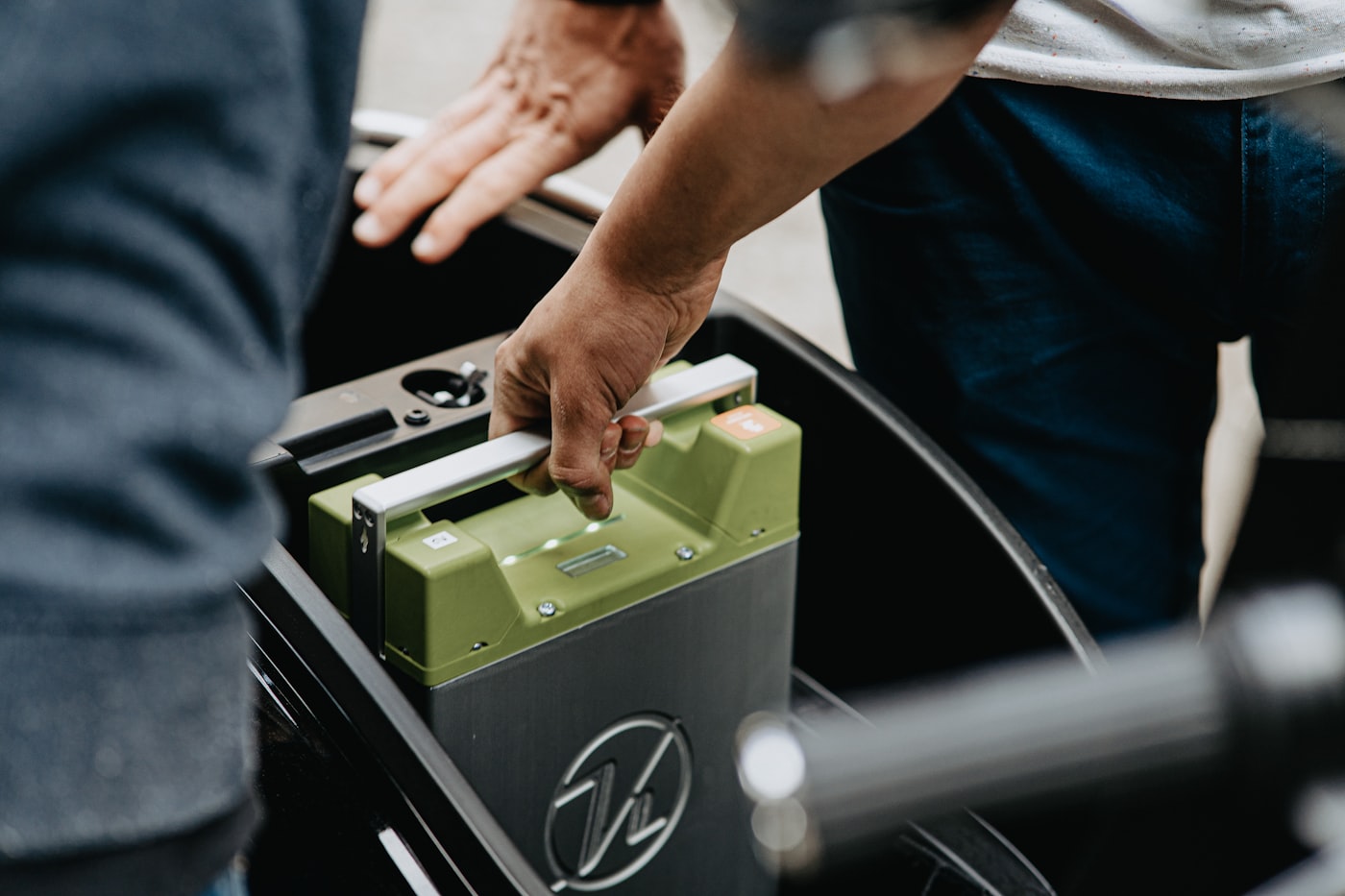
If your property already has an inverter, it almost certainly runs on a lead acid tubular battery. These have been the default choice in India for decades because they are cheap to buy and every electrician in the country knows how to install and service them. Lithium batteries, specifically a chemistry called Lithium Iron Phosphate (written as LFP or LiFePO4), have become the standard choice for new commercial installations because they last far longer and need almost no maintenance, even though they cost more upfront.
The numbers, side by side
| What You Are Comparing | Lead Acid Tubular | Lithium LFP |
|---|---|---|
| Typical lifespan | 3 to 5 years | 10 to 15 years |
| Cycle life (full charge discharge cycles) | 1,200 to 1,500 cycles and only if you avoid draining past 50 percent | 4,000 to 6,000 cycles, safe to use 80 to 100 percent of the capacity |
| Usable capacity for the same rated size | About half, since deep discharge shortens its life badly | Nearly all of it, since deep discharge does not damage the cells |
| Weight for the same stored energy | 25 to 30 kg per kWh | 8 to 10 kg per kWh, roughly a third of the weight |
| Floor space for the same stored energy | Roughly three times more than lithium for the same usable capacity | Compact, often wall mountable |
| Round trip efficiency (how much you get back for what you put in) | 80 to 85 percent | 95 to 98 percent |
| Maintenance | Regular topping up with distilled water, terminal cleaning, ventilation checks | None. It is sealed and managed automatically by the BMS |
| Upfront cost per usable kWh | Lower on paper, but the effective cost per usable kWh rises once you account for the 50 percent discharge limit | Higher upfront, but the cost per usable kWh over its life works out lower |
| Behaviour as it ages | Backup time drops off noticeably in the last year or two of its life | Backup time stays close to its original rating until fairly close to end of life |
The one place lead acid still makes sense is a very specific situation: a property with genuinely light backup needs, using the battery only a handful of times a year for short one to two hour cuts, working with a tight budget. If that describes your situation, spending extra on lithium may take years to pay for itself. For anywhere that loses power regularly, or that wants to shift consumption to cheaper tariff hours, lithium earns back the difference far sooner.
A word on other battery types you might see advertised
A few other chemistries come up when you are shopping around and it helps to know where they fit. Nickel Manganese Cobalt (NMC) lithium batteries are common in electric vehicles because they pack more energy into a smaller space, but they are more sensitive to heat and are rarely used for stationary storage in India for that reason. LFP does not have this problem to the same degree, which is part of why it has become the default for buildings. Sodium ion batteries are a newer technology starting to appear in the Indian market and early results suggest they cope well with high temperatures, which could make them interesting for Indian conditions in the next few years. They are not yet mainstream enough to recommend over LFP today, but worth keeping an eye on if you are planning a purchase 2 to 3 years out. Flow batteries exist too, but they are built for very large, industrial scale storage (think many hours of backup for a factory) and are not a sensible fit for a hotel or homestay.
How India’s climate affects your battery choice
India is not one climate, it is many and this genuinely matters when choosing a battery system, more than most sales conversations let on.
Heat is the biggest factor
A Chennai or Nagpur summer, where battery room temperatures can climb well past 40 degrees Celsius, is hard on any battery chemistry, but it affects lead-acid and lithium differently. Lead-acid batteries lose water faster in high heat, meaning more frequent top-ups and their lifespan drops noticeably for every few degrees above the manufacturer’s recommended operating range. Lithium LFP batteries handle heat better than most other lithium chemistries, but they still perform best with at least basic ventilation and, ideally, a room that is not in direct afternoon sun. If your property is in a hot region, ask your installer specifically how they plan to ventilate or shade the battery installation, since this is often skipped to save a small cost and regretted a year later.
Humidity and coastal air
Properties near the coast, in places like Goa, Kerala or coastal Odisha, deal with salty, humid air that speeds up corrosion on metal terminals and connectors. This affects lead-acid battery terminals in particular, which need more frequent cleaning and inspection in coastal locations. Lithium battery packs are typically more sealed and less exposed to this issue, which is one more small advantage for coastal properties beyond the headline cost and lifespan numbers.
Cold in hill stations
It is easy to forget that parts of India get genuinely cold. In hill station properties in Himachal Pradesh, Uttarakhand or the Northeast, lead-acid batteries lose usable capacity in cold temperatures, sometimes significantly, meaning the same battery bank delivers less backup time in winter than it did in summer. Lithium batteries are somewhat less affected but can have reduced charging speed in very cold conditions. If your property experiences real winter cold, ask specifically how the system performs at low temperatures, not just at ideal lab conditions.
The practical lesson across all of this: a battery specification that works well for a Delhi property may not be the right specification for a Munnar homestay or a Puducherry beachfront hotel. A good local installer, one who has actually installed systems in your specific climate before, is worth more than the lowest quote from someone unfamiliar with your region.
The real cost over time, not just the sticker price
Lithium batteries cost more to buy. There is no getting around that. A lithium LFP system for a small homestay can cost twice as much upfront as a lead-acid tubular system of similar backup capacity. This is usually the point where the conversation stops and the property owner picks the cheaper option and moves on.
But a battery is not a one-time purchase. It is a purchase you repeat every few years, because every battery wears out and needs replacing. A tubular battery bank rated for 1,200 to 1,500 cycles at a safe 50% depth of discharge will typically need replacing every 3 to 5 years in continuous hotel use. A lithium LFP battery, used the same way, is often still working strong after 10 years. So the real comparison is not “which battery costs less to buy” but “which battery costs less to own for the next 10 years, including every replacement and every bit of maintenance.”
For the small homestay example, the lithium system works out to roughly 1.9 lakh rupees over 10 years (one purchase, no replacement needed). The lead-acid system works out to roughly 4.29 lakh rupees over the same period, because the battery bank has to be replaced about twice and tubular batteries need regular water top-ups and equalisation charging that add a small but real maintenance cost every year.
For the mid-size hotel example, the gap is even wider in absolute terms. Lithium comes to roughly 19.25 lakh rupees over 10 years. Lead-acid comes to roughly 56.1 lakh rupees over 10 years, because a bigger battery bank means a bigger and more expensive replacement each time, plus higher annual maintenance for a bank of that size.
When the extra upfront cost pays for itself
For most hotels and homestays, the lithium system starts costing less than the lead-acid system somewhere between year 4 and year 6, which is exactly when the first tubular battery replacement would otherwise be due. Properties that keep their batteries for the full 10 to 15 year lithium lifespan see the biggest gap in their favour. Properties that might sell, renovate, or shut the business within 2 to 3 years may not stay around long enough to see the full payback and could reasonably choose the cheaper lead-acid option instead.
What has actually changed in battery technology recently
Battery backup used to mean one thing: a big, heavy lead-acid battery sitting in a room that smelled faintly of acid, needing water top-ups every few months. That picture is changing fast and it is worth knowing what is actually new versus what is just marketing language.
Lithium LFP has gone mainstream
Five years ago, lithium batteries for home and hotel backup were expensive and mostly imported. That has changed. Indian brands now manufacture LFP batteries locally at a scale that has brought prices down by more than half since 2018. LFP (lithium iron phosphate) is now the default recommendation from most solar and inverter companies in India, not a premium add-on. If you are shopping for backup power in 2026, lithium LFP is the mainstream choice, not the exotic one.
Smart monitoring through a phone app
Almost every lithium system sold in India today comes with a Battery Management System (BMS) that can talk to a mobile app over WiFi or Bluetooth. As a hotel owner, this means you can check battery health, remaining charge, charging status and fault alerts from your phone, even if you are travelling and the property is being run by staff. Some apps will send a push notification the moment a fault is detected, which is a genuine improvement over the old system of someone noticing the lights went out.
Modular and stackable systems
Newer lithium systems are often modular, built from smaller battery packs (commonly 2.4 kWh or 4.8 kWh each) that stack together like building blocks. This matters for a growing hotel or homestay business, because you can start with backup for your essential loads today and add another module later when you add more rooms or your load grows, instead of ripping out the whole system and buying a bigger one.
Better integration with solar
Hybrid inverters that manage solar panels, grid power and battery storage together, in one box, have become common and reasonably affordable. This lets a property use its battery not just as emergency backup, but as everyday storage: charge from solar during the day, use that stored power during the evening peak-tariff hours and only pull from the grid at cheaper rates. For a hotel with a large enough roof, this can meaningfully cut monthly electricity bills, not just cover outages.
Sodium-ion: promising, not yet mainstream in India
You may start hearing about sodium-ion batteries as a “next big thing,” and there is real substance to that. Sodium-ion does not need lithium, cobalt or nickel, which makes it cheaper to produce at scale and it tends to handle heat well, which matters in a country where battery rooms can get genuinely hot in summer. As of 2026, sodium-ion products for home and hotel backup are still mostly in pilot or early-launch stage in India, not widely available at your local dealer yet. It is worth knowing the name so you are not caught off guard by a sales pitch, but it is not yet a mainstream buying option the way lithium LFP is.
How to work out what size system you actually need
This is the step most properties get wrong, either by guessing too small (and running out of backup during a long outage) or too big (and paying for capacity they never use). Getting this right does not need an engineering degree, just an honest list of what you want to keep running.
Step 1: list what must stay on
Walk through your property and write down every load you want backed up. A typical small hotel or homestay list looks like this: reception desk and WiFi router, a few corridor and common area lights, the booking system computer or tablet, kitchen refrigeration and perhaps one or two guest room ACs or fans if you promise backup cooling. Add up the wattage of each item. Refrigeration and AC compressors draw a large surge of power when they switch on, so check the nameplate rating, not just a guess.
Step 2: decide how many hours of backup you need
Look at your actual outage pattern over the last year, not a worst case you imagine. If your area typically loses power for 1 to 2 hours at a stretch, sizing for 6 hours of backup is usually overkill and adds needless cost. If you are in an area with longer, less predictable outages, or you specifically want to survive a full evening without power, size for that instead.
Step 3: use the sizing formula
Once you know your connected load, the formula installers use to size the inverter or UPS capacity is:
The power factor accounts for the fact that not all electrical equipment converts power as efficiently as a simple resistive load. A typical mixed hotel load (lighting, motors, electronics) has a power factor around 0.8. The growth or diversity margin is a safety cushion, usually 20 to 30%, that covers future load growth and the fact that not everything switches on at exactly the same moment.
- Total connected load: 40 kW
- Divide by power factor: 40 ÷ 0.8 = 50 kVA
- Add 25% growth margin: 50 × 1.25 = 62.5 kVA
- Round up to the nearest standard size available from manufacturers: 80 kVA UPS
Your installer should walk through this same calculation with you before recommending a system. If a salesperson jumps straight to a product recommendation without asking about your connected load and outage pattern, ask them to show their sizing calculation. It is a reasonable question and a good installer will not mind answering it.
Quick recommendations by property size
If you want a starting point rather than working through every section above, here is a rough guide by property size. Treat this as a starting conversation with your installer, not a final answer, since your specific loads and outage pattern still matter more than property size alone.
| Property Type | Typical Battery Size to Consider | Suggested Starting Chemistry |
|---|---|---|
| 1-3 room homestay, occasional short outages | 2-3 kWh | Lithium LFP if budget allows, tubular is workable if budget is tight |
| 4-8 room homestay or guesthouse | 3-6 kWh | Lithium LFP, given daily cycling and low maintenance appeal |
| 10-20 room budget to mid-range hotel | 10-20 kWh, sized to your calculated connected load | Lithium LFP, with a hybrid inverter for future solar integration |
| 20+ room hotel or resort, or long outage regions | 25 kWh or more, often paired with a generator | Lithium LFP for daily backup, generator retained for extended outages |
Whatever size you land on, run it through the sizing formula earlier in this guide using your own property’s actual connected load before finalising anything with an installer. This table is meant to give you a realistic starting range to walk in with, not a number to commit to without your own calculation.
Battery brands and models available in India
This is not an exhaustive list and prices change often, so treat these as a starting point for your own research rather than a final answer. All of these are real products sold in India as of 2026, from brands with an established service network, which matters more than people expect: a battery that fails on a Sunday night is only useful if someone can come fix it.
| Brand | Notable LFP Models | Best Suited For | What Stands Out |
|---|---|---|---|
| Luminous | Shakti Charge LFP, Zelio+, Cruze+, NXi Solar Combo | Hotels and homestays of any size | Largest service network in India, easiest to get a technician quickly |
| Livguard | LG LFP series, XDT series (XDT Pro 48V/200Ah) | Villas, boutique hotels, mid-size commercial | Warranty up to 7 years, among the longest offered; XDT Pro is explicitly built for commercial-scale backup |
| Microtek | LFP series, SW+ combo units | Properties that also want a strong UPS function for office and front-desk equipment | Strong reputation for the inverter and UPS side of the business |
| UTL Solar | LFP series, Gamma+ solar combos | Properties planning to add or expand solar alongside battery backup | Built with solar-first integration in mind, useful if solar is part of your plan |
| V-Guard | Li Smart series (inbuilt lithium), Multi-Ion inverters, plus tubular options | Properties wanting one of India’s most recognised electrical brands with strong nationwide service | Multi-Ion inverter range works across battery chemistries for flexibility and V-Guard has one of the largest dealer and service networks in the country |
| Deye | SUN series hybrid solar inverters built to work with LFP battery banks | Properties combining solar with lithium storage, especially larger commercial systems | Widely used internationally for hybrid solar-plus-battery installations and available in India through solar EPC dealers, a strong fit for solar-plus-storage projects |
| Ornate Solar | UnityESS battery storage line (Aura, Aqua, Ultima models) alongside solar EPC services | Properties wanting one vendor to handle solar panels and battery storage together | India-based solar company operating since 1998 that has expanded into in-house battery manufacturing, useful if you want a single vendor accountable for the full system |
| Exide, Amaron, Okaya, Eastman, Genus, Loom Solar | Various lead-acid tubular and newer LFP lines | Budget-conscious properties or those staying with tubular for now | Long-established brands with wide dealer availability across India, useful if you want a known name for tubular batteries specifically |
A general rule worth following: for any commercial hotel-scale purchase, ask your shortlisted brand for at least two references, existing hotel or resort customers you can actually call, not just residential customers. A battery system that has run reliably in another hotel’s kitchen and reception load for a year or two is a better reference than a glossy brochure.
Understanding warranty terms before you sign
Warranty length gets thrown around as a headline number, “5 years,” “7 years,” but the fine print underneath that number matters just as much and it is worth slowing down to read it properly.
Full replacement vs prorated warranty
A full replacement warranty means that if the battery fails within the warranty period, you get a full replacement at no cost. A prorated warranty means you get a discount on a replacement that shrinks over time, so a battery that fails in year 6 of a 7-year prorated warranty might only get you a small percentage off a new one, not a free replacement. Always ask which type you are being offered, since the difference in real value between the two can be substantial.
What the warranty actually covers
Some warranties cover only the battery cells, not the battery management system, the inverter, or the installation labour. If the BMS fails outside of a separate, shorter warranty period, you could be facing a repair bill even though your “battery warranty” is technically still valid. Ask specifically what components are covered and for how long each one.
What voids the warranty
Common conditions that void a battery warranty include using an incompatible inverter, DIY installation instead of professional installation, operating the battery outside its rated temperature range without adequate ventilation and discharging a lead-acid battery below its recommended depth of discharge repeatedly. Get this list from your dealer in writing so there is no ambiguity later if you need to make a claim.
Among the India-available brands mentioned earlier in this guide, warranty lengths on lithium LFP products commonly range from 5 to 7 years, with Livguard’s LFP range often cited as offering some of the longer terms in this range. Warranty length is one useful signal of how confident a brand is in its own product, but it should be one factor among several, not the only thing you decide on.
Signs your current backup power needs an upgrade
If you already have some form of battery backup, here are honest signs that it may be time to look at replacing or upgrading rather than patching it along.
- Your battery no longer holds charge through a full outage that it used to comfortably cover, a common sign of a tubular battery nearing the end of its cycle life.
- You are topping up battery water more often than every month, or noticing a strong smell near the battery, which can indicate the battery is being overcharged or is failing.
- Guests or staff have mentioned the power backup “sometimes doesn’t kick in,” pointing to a changeover or AMF issue rather than the battery itself.
- Your property has added rooms, AC units, or equipment since the backup system was installed, meaning your original sizing calculation is now out of date.
- You are relying on a manual changeover switch that requires a staff member to physically flip it during an outage, which is slow and depends on someone being present and remembering.
- You are simply tired of the maintenance routine (water top-ups, terminal cleaning, watching electrolyte levels) and want a lower-maintenance option.
A short checklist for choosing an installer
Use this list when you are comparing installers or dealers and do not be shy about asking each one every question on it.
- Did they visit the property and calculate your connected load, or did they quote a size over the phone without seeing your setup?
- Can they show the BIS certification (IS 16270:2023 and, for lithium, IS 16046 Part 2:2018) for the exact model they are recommending, not just a general claim?
- Do they have existing hotel or commercial customers you can call as references, not only residential customers?
- Is the warranty explained in writing, including whether it is full replacement or prorated and what voids it?
- Do they explain their after-sales service process, including expected response time if something fails?
- Is installation cost broken out as a separate, itemised line rather than bundled vaguely into the total?
- Do they offer pure sine wave output and automatic mains failure (AMF) changeover as standard, not as a costly add-on?
Safety and certification: what to check before you buy
A battery system that catches fire or fails badly is far more than an inconvenience in a hotel, it is a guest safety issue. The good news is that India has clear certification standards for these products now and checking for them takes two minutes.
The two certifications to ask for
- IS 16270:2023 – the general requirement standard for solar and stationary storage batteries sold in India. This covers basic performance and safety requirements.
- IS 16046 (Part 2):2018 – the lithium-specific safety and abuse testing standard. This is the important one for lithium batteries. It requires the battery to be tested against nail penetration, thermal abuse, overcharging, short circuit, crushing and drop tests before it can be sold.
Since 2025, under the Solar Systems, Devices and Components Goods Order from the Ministry of New and Renewable Energy, both of these certifications are mandatory together for solar storage batteries sold in India. Simply put: ask your installer or dealer to show you the BIS certification mark and number for the exact battery model you are buying, not just a general claim that “our batteries are certified.” A legitimate dealer will have this paperwork ready without hesitation.
Everyday safety practices
- Install batteries in a dry, ventilated space, away from direct sunlight and away from anything flammable stored nearby.
- Never mix old and new batteries, or batteries from different brands or batches, in the same bank. This applies to both lithium and lead-acid systems.
- For lead-acid tubular batteries, check electrolyte levels monthly and top up only with distilled water, never tap water.
- Keep the battery room or cabinet locked and away from general guest or staff foot traffic, both for safety and to stop casual tampering.
- Get the system professionally installed and professionally inspected at least once a year, especially for anything above a small residential-scale system.
GST, HSN codes and government schemes: getting the facts straight
GST rates
As of September 2025, GST on batteries was standardised at 18% across the board. Previously, non-lithium batteries (including lead-acid) attracted a higher 28% rate, while lithium-ion batteries were already at 18%. That gap is now gone, both lithium-ion batteries (HSN code 8507 60 00) and lead-acid or other batteries (HSN code 8507 20 00) are taxed at 18%. Inverters and UPS units (HSN code 8504 40 10) are also taxed at 18%. If a dealer quotes you a different GST rate, ask them to explain why, since the standard rate applies to nearly all cases.
For a broader look at how GST applies to homestay and hotel operations generally, see our guide to GST for homestays.
Government schemes: what actually applies to you
You may have heard sales pitches mentioning government subsidies or incentive schemes for batteries. It is worth being precise here, because this is an area where misunderstanding costs people money.
India does have a Production Linked Incentive (PLI) scheme for Advanced Chemistry Cell (ACC) battery manufacturing. This is real and it is a significant scheme. But it is aimed at large-scale battery cell manufacturers, companies setting up gigafactory-level production with investment commitments running into hundreds of crores of rupees per gigawatt-hour of capacity. It is a manufacturing incentive, not a consumer subsidy.
The honest takeaway is that battery backup for your property is currently a capital investment you make because of what it saves you and protects you from (guest complaints, spoiled inventory, lost bookings), not because of a rebate that lowers the sticker price.
Installation and maintenance: what to expect
Before installation
A good installer will visit your property, review your electrical panel and wiring, confirm your connected load (rather than just taking your word for it) and explain their sizing calculation before quoting a price. Be wary of anyone who quotes a system size over the phone without ever seeing your property or your electrical setup.
During installation
For a commercial-scale system, expect the installer to set up a dedicated battery room or cabinet, wire in a changeover switch or automatic transfer switch so the system kicks in without you having to do anything manually and configure the battery management system if it is a lithium setup. Installation for a mid-size hotel system typically takes 1 to 3 days depending on complexity, including any electrical panel work needed.
Ongoing maintenance
| Task | Lithium LFP | Lead-Acid Tubular |
|---|---|---|
| Water top-up | Not needed | Monthly, using distilled water only |
| Terminal cleaning | Rarely needed | Every few months, to prevent corrosion buildup |
| Equalisation charging | Not applicable | Periodic, per manufacturer schedule |
| Health check | Via app, ongoing | Manual inspection recommended quarterly |
| Professional service visit | Annually | Every 6 months recommended |
One advantage of lithium systems that property owners often only appreciate after living with them: there is very little routine maintenance. For a busy hotel where nobody has spare time to remember battery water top-ups, this alone can be worth something.
Common mistakes hotels and homestays make
- Undersizing to save money upfront. A system that cannot cover your actual essential loads defeats the purpose of buying it at all. Size for your real connected load, not a hopeful guess.
- Buying on price alone, without checking the brand’s service network. The cheapest system from a brand with no local technician support becomes the most expensive system the day something goes wrong and nobody can fix it quickly.
- Deep-discharging lead-acid batteries repeatedly. Running a tubular battery below its recommended 50% depth of discharge regularly will shorten its life dramatically, sometimes cutting a 4-year lifespan down to 18 months.
- Skipping the BIS certification check. Uncertified batteries, especially lithium ones bought from unverified sellers, are a real safety risk. Always verify certification for the specific model you are buying.
- Assuming a residential product will hold up to commercial-scale daily cycling. A battery designed and warrantied for occasional home backup may wear out much faster under a hotel’s daily, heavier usage pattern. Buy a product rated for commercial use if you are running a commercial property.
- Not asking about warranty terms in detail. “7 year warranty” can mean very different things depending on whether it covers full replacement, prorated replacement, or just the battery management system. Get the warranty terms in writing before you pay.
Real-world scenarios: which situation matches yours
Every property is different, so here are four common situations to help you see where you might fit.
- Essential load is small: lighting, router, water pump, a few charging points
- A compact lithium LFP system (roughly 3-5 kWh) comfortably covers this
- Given the frequent, predictable cycling, lithium pays for itself faster here than the TCO chart above suggests for occasional use
- No need for a large commercial-scale system
- This load profile (long duration, high AC draw) plays to the strength of a hybrid approach
- Consider a mid-size battery system for essential loads (reception, WiFi, refrigeration, a few priority rooms) combined with a diesel generator for full-property AC during genuinely long outages
- A battery-only system sized to cover full AC load for 6 hours across 20 rooms would be very large and expensive; a hybrid approach is usually more cost-effective
- A hybrid inverter with solar and lithium battery storage suits this case well
- Solar charges the battery during the day, the property draws from the battery during evening peak-tariff hours and grid power is the backup for the backup
- This is as much an electricity-bill strategy as a backup-power strategy and the payback period should be calculated against both outage protection and daily bill savings
- For a very small load and infrequent outages, a well-maintained lead-acid tubular system from an established brand remains a reasonable, lower-upfront-cost choice
- Budget for a replacement in 3-5 years as part of the ongoing cost of running the property
- Revisit the lithium option when the current battery is due for replacement, since lithium prices continue to fall each year
Diesel generator vs battery backup vs hybrid: a side-by-side look
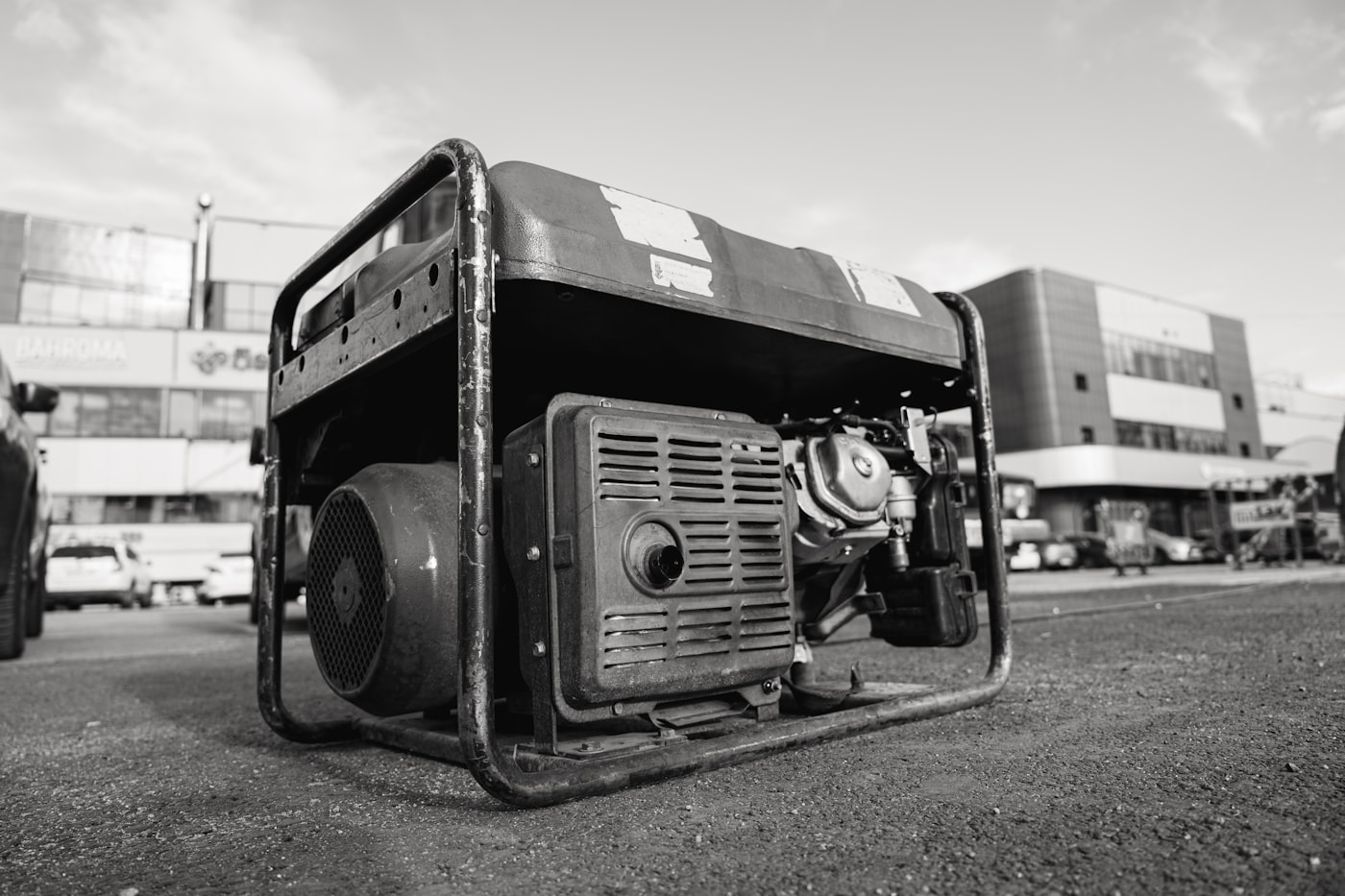
Many properties already have a diesel generator and are wondering whether a battery system replaces it, works alongside it, or is not worth adding at all. Here is an honest side-by-side comparison to help you think it through.
| Factor | Diesel Generator | Battery Backup (Lithium) | Hybrid (Both Together) |
|---|---|---|---|
| Response time | Seconds to a minute or more to start and stabilise | Near-instant, often under half a second with AMF | Instant from battery, generator takes over for extended outages |
| Noise | Noticeable, can disturb guests especially at night | Silent | Silent during short outages, generator noise only during long ones |
| Running cost per hour | Ongoing diesel fuel cost, rises with fuel prices | Effectively free once charged (just grid or solar electricity) | Lower overall, generator used only when truly needed |
| Best for | Long outages, high continuous loads like full-property AC | Frequent, short outages and instant, silent changeover | Properties with both frequent short outages and occasional long ones |
| Maintenance | Regular servicing, fuel storage and handling needed | Low, especially for lithium, no fuel involved | Combined maintenance of both systems |
| Guest-facing impression | Audible, sometimes visible smoke or smell | Invisible, guests often do not notice a changeover happened | Best of both, generator only heard during rare long outages |
For most hotels and homestays with typical Indian grid reliability, frequent short outages of under two hours, a battery-only system is often enough on its own. Properties in areas with genuinely long, multi-hour outages, or those running heavy loads like full-property air conditioning throughout, tend to be better served by keeping a generator for the rare long outage while using a battery system to handle the everyday short ones silently and instantly. This hybrid approach is increasingly common because it plays to the strength of each technology instead of forcing one to do a job it is not well suited for.
Solar plus battery: should you do both together
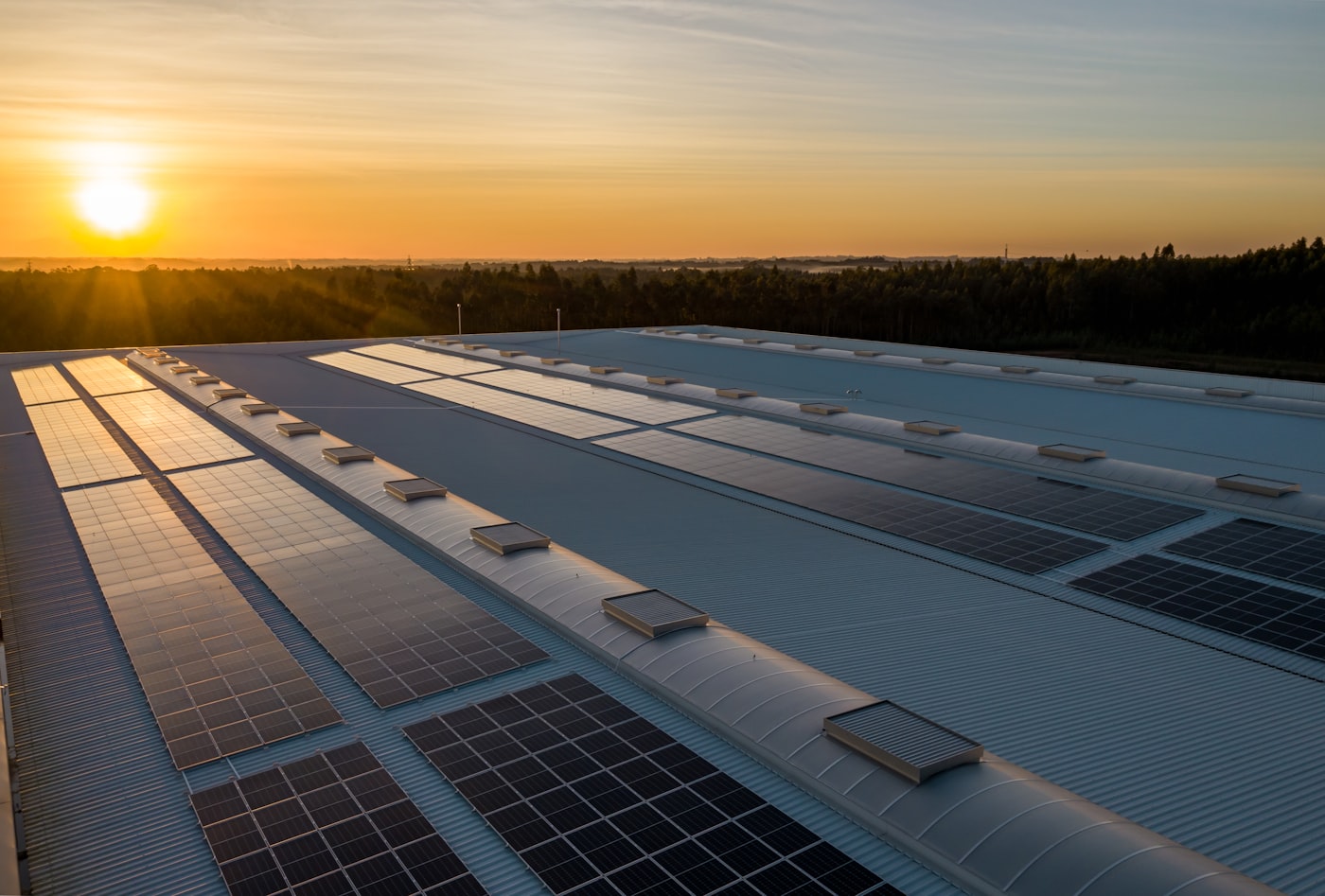
Battery backup and rooftop solar are often sold as one combined package and it is worth understanding why and whether it makes sense for your property specifically, rather than assuming they always go together.
What solar adds to a battery system
On their own, batteries store power, they do not generate it. Without solar, your battery charges from grid electricity and its only job is to cover you during an outage. Add solar panels and a hybrid inverter and the battery gets a second job: storing free daytime solar power for use in the evening, when many state electricity boards charge higher time-of-day tariffs. This turns your backup system from a pure insurance policy into something that can also lower your monthly electricity bill.
A rough idea of the savings
Say a mid-size hotel has a rooftop solar setup generating 20 units (kWh) of usable surplus power a day, which gets stored in the battery and used during the evening instead of drawing from the grid at a peak tariff of roughly 9 rupees per unit, compared to a daytime tariff of roughly 6 rupees per unit. Shifting that 20 units from peak-tariff grid draw to stored solar power saves roughly 180 rupees a day, which works out to a little over 65,000 rupees a year. This is a simplified illustration, actual tariffs and savings depend heavily on your state electricity board’s time-of-day tariff structure and how much surplus solar your roof can actually generate, but it shows why the combined system can pay back faster than a battery bought purely for backup.
When solar might not be worth adding yet
Solar adds meaningfully to the upfront cost and needs adequate, unshaded roof space, along with structural clearance from your property’s engineer or architect if the roof is older. If your property has limited roof space, heavy shading from nearby buildings or trees, or you are renting the property and cannot justify a rooftop investment, it is entirely reasonable to install battery backup on its own now and consider solar separately later. The two do not have to be bought at the same time and many properties add solar a year or two after their battery system, once they have seen how the battery performs.
Paying for it: financing options worth knowing about
A commercial-scale battery system is a real expense and not every property wants to or can pay the full amount upfront. A few common ways hotels and homestays fund this purchase are worth knowing about, even though the right choice depends on your own finances and should ideally involve a conversation with your accountant or bank.
- Business loans or equipment financing. Most nationalised and private banks, as well as NBFCs, offer loans for equipment purchases and a battery backup system usually qualifies as business equipment. Interest rates and terms vary, so it is worth comparing at least two or three lenders.
- Vendor or dealer EMI schemes. Several established battery and inverter brands now offer their own EMI (equated monthly instalment) options directly through partner finance companies at the point of sale, letting you spread the cost over months rather than paying it all at once.
- Solar financing bundled with battery storage. If you are installing solar alongside your battery system, solar-specific financing schemes (sometimes offered through state renewable energy agencies or solar installers) may cover the combined solar-plus-battery cost, since the two are often sold and installed together.
- Simply budgeting it as a phased capital expense. Given that lithium systems are modular, as mentioned earlier, some properties start with a smaller battery system covering only the most essential loads, then expand the system in stages as cash flow allows, rather than financing the full commercial-scale system in one go.
Whichever route you take, run the numbers from the 10-year cost of ownership section above against your financing cost. A loan with a reasonable interest rate can still leave you ahead compared to the repeated replacement cost of a cheaper lead-acid system, but do the actual arithmetic for your specific quote rather than assuming.
What happens to the old battery when you replace it
This is a question most people only think about after the old battery is sitting uselessly in a storeroom, but it is worth planning for in advance, both for the environment and because it is now a legal responsibility, not just a courtesy.
Under India’s Battery Waste Management Rules, 2022, the responsibility for collecting and recycling waste batteries sits with the producer or importer of the battery, not the buyer. In practice, this means the brand you bought your battery from is legally required to either take back the old battery themselves or arrange for it to go to an authorised recycler. The rules ban dumping waste batteries in landfills or burning them and set up a system where producers earn and trade recycling certificates to prove they are meeting their obligations.
For you as a hotel or homestay owner, the practical takeaway is simple: when your battery reaches the end of its life, contact the brand or your original installer and ask them to arrange collection under this scheme, rather than selling it to a random local scrap dealer. A legitimate brand should have a clear take-back process and asking about it before you buy is a reasonable question, right alongside asking about warranty and certification. Both lithium and lead-acid batteries contain materials (lithium, lead, various metals) that are valuable to recover and genuinely harmful if dumped carelessly, so proper recycling is not just a legal box to check.
Power backup is often just one part of modernising
Properties that invest in upgrading their power backup are frequently the same properties thinking about modernising other parts of their operation too and there is a reason for that. Once you have solved for “the WiFi and booking system must never go down,” it is natural to also ask whether the booking system itself is still serving you well.
A reliable power backup protects your booking software from outages, but it does not fix an outdated or clunky booking system on its own. If your current setup involves a paper register, a spreadsheet and manually updating three different OTA calendars by hand, a stable power supply just means you get to keep doing that manual work without interruption. Many hotels and homestays that modernise their power infrastructure use the moment to also look at their booking and compliance software, since both are part of the same “keep the property running smoothly, even when things go wrong” goal.
This is exactly the kind of operational reliability OpenStays is built around: keeping your bookings, guest records and compliance documentation in one place, backed up and accessible, so a power cut or a system hiccup does not turn into a missed booking or a compliance headache.
Frequently asked questions
Is lithium battery backup safe for a hotel?
Yes, when it carries the correct BIS certification (IS 16270:2023 and IS 16046 Part 2:2018) and is installed by a qualified professional. Lithium LFP chemistry specifically is considered one of the more thermally stable lithium chemistries available, which is part of why it has become the standard choice for stationary storage rather than the lithium chemistries used in phones or laptops.
How long does a lithium battery actually last compared to what is advertised?
Most LFP batteries are rated for 4,000 to 6,000 cycles at 80-100% depth of discharge, which typically works out to 10 to 15 years of real-world use for a hotel. Actual lifespan depends on how deeply and how often you discharge the battery and how hot the installation location gets, since heat shortens battery life across all chemistries.
Can I add battery backup without adding solar panels?
Yes. A battery system charges from grid power by default and works as backup on its own. Solar is optional and mainly adds value if you also want to reduce your daytime electricity bill or want backup that keeps working during a multi-day grid outage without needing the batteries topped up from the grid.
What size battery backup does a small homestay actually need?
For a small homestay with basic loads (lighting, WiFi, a water pump, some charging points), a 3 to 5 kWh lithium system is usually enough. Use the sizing formula and worked example above to calculate your specific number, since every property’s load is different.
Is tubular lead-acid battery technology outdated now?
Not entirely outdated, but no longer the default recommendation for most hotels. It remains a reasonable lower-upfront-cost option for properties with small loads, infrequent outages, or tight budgets, provided the extra maintenance and shorter replacement cycle are accounted for.
How much does professional installation typically add to the cost?
Installation costs vary by city and system complexity, but as a rough guide, budget for installation charges to add roughly 8 to 15% on top of the equipment cost for a mid-size commercial system, more if panel upgrades or a dedicated battery room are needed. Always get this as a separate line item in your quote so you can compare installers fairly.
Do I need a diesel generator if I already have battery backup?
It depends on your outage pattern. Battery backup alone is well suited to frequent, short outages. If your area experiences long outages of several hours or more, a generator (used alongside or instead of a large battery bank) is often more cost-effective than sizing a battery system to cover many hours of high-draw loads like full-property air conditioning.
Will my existing inverter work with a new lithium battery?
Not always. Older inverters are often designed specifically for lead-acid battery charging profiles and may not charge or protect a lithium battery correctly. Check with your battery brand or installer whether your existing inverter is lithium-compatible before assuming you can simply swap the battery alone.
Is there any government subsidy for buying a battery backup system for my hotel?
As explained above, no dedicated national subsidy currently reduces the purchase price for an individual hotel or homestay. Some state-level solar subsidy schemes may apply if you are installing solar alongside your battery, but these vary by state, so check with your state renewable energy agency for current details.
How do I compare quotes from different installers fairly?
Ask each installer for the same information: their sizing calculation based on your actual connected load, the specific battery model and its BIS certification number, the full warranty terms in writing and installation charges as a separate line item. Comparing quotes that use different assumptions is not a fair comparison, so get everyone answering the same questions.
Can I mix a battery system with my existing diesel generator?
Yes, this is a common and sensible setup. The battery handles frequent short outages silently and instantly, while the generator remains available for rare, longer outages or heavy loads the battery is not sized for. Your installer will set up the changeover logic so the two work together rather than conflicting.
How noisy is a lithium battery system compared to a generator?
A battery system itself is silent, there are no moving parts or combustion involved. This is one of its biggest practical advantages for a hotel, since a generator kicking on at 2 AM can wake guests, while a battery changeover is completely unnoticed.
What is the difference between a UPS and a hybrid inverter for a hotel?
A traditional UPS is generally designed to protect sensitive electronics like computers and networking equipment for a short duration, often just enough time to shut down safely. A hybrid inverter is designed for whole-property backup, larger loads like lighting, refrigeration and AC, for a much longer duration and can typically also integrate with solar. For a hotel, a hybrid inverter with a properly sized battery is almost always the more appropriate choice over a basic UPS.
How long does a typical installation take from order to working system?
For a small homestay, expect roughly 1 to 2 weeks from finalising your order to a working installation, mostly depending on stock availability for your chosen model. For a larger commercial system requiring panel upgrades or a dedicated battery room, budget 3 to 6 weeks to allow for site preparation, electrical work and any BMS configuration.
Should I buy the battery and inverter from the same brand?
It is generally the safer choice. Mixing an inverter from one brand with a battery from another can work, but compatibility is not always guaranteed, particularly with lithium batteries that need the inverter to correctly recognise and communicate with the battery management system. If you do want to mix brands, get explicit written confirmation of compatibility from both manufacturers before buying.
The short version
If you take away only a few points from this guide, make them these. Lithium LFP has become the mainstream choice for hotel and homestay battery backup in India, not because of hype, but because it costs less over 10 years despite a higher upfront price, needs far less maintenance and lasts two to three times longer than lead-acid tubular batteries. Lead-acid tubular remains a reasonable choice for small loads, infrequent outages, or tight budgets, as long as you budget for replacement every 3 to 5 years. Always check for BIS certification (IS 16270:2023 and IS 16046 Part 2:2018) before buying, get your sizing calculated from your actual connected load rather than a guess and get at least two or three quotes from installers with a real local service network. There is currently no national subsidy scheme that reduces the purchase price for an individual property, so budget for this as a capital investment, not a rebate-assisted purchase.
A note on these numbers
Battery and inverter prices in India change often, sometimes month to month, as raw material costs and local manufacturing scale shift. The figures, brand names and product examples in this guide reflect the Indian market as of August 2026 and are meant to help you ask the right questions and compare options sensibly, not to replace a written quote from a certified installer. Always verify current pricing, warranty terms and certification directly with the brand or dealer before making a purchase decision.
Whatever you decide, take the time to get your load calculation right, verify certification and get more than one quote. A backup power decision made carefully now will quietly protect your guest experience, your food safety and your bookings for years, largely without you having to think about it again once it is installed correctly.